How to read this: Maratua Resort is an independent concierge guide — we curate and compare dive resorts and island stays in the Derawan archipelago, then arrange your booking through a vetted operating partner. We do not own or operate the resorts, and resort or brand names are used only as neutral examples, not claims of affiliation. Prices are by quote and vary by resort, season and party; figures here are indicative. Flights, transfers and dive seasons change — confirm before you travel. This is general information, not a binding offer.
If you are trying to decide maratua or derawan for diving, the short answer is: stay on Maratua for overwater bungalows and serious wall diving, or on Derawan Island for easiest access, village life and turtles right off the jetty. The longer answer is that both work well as bases for Kakaban and Sangalaki, but they feel very different day to day.
Quick verdict: Maratua vs Derawan Island in one glance
Maratua and Derawan sit in the same archipelago but offer distinct base experiences.
- Maratua Island
- A large atoll with blue-water walls, channels and lagoons. Main draws: overwater-style resorts, quieter feel, advanced–intermediate diving, and direct access to sites like Big Fish Country (strong currents, schooling barracuda, frequent pelagic action).
- Derawan Island
- A compact, village island close to the mainland. Main draws: simplest logistics, homestays and small dive lodges along the beach and jetties, green turtles cruising under the walkways, plus easy house-reef dives.
In broad strokes, experienced divers looking for a “liveaboard-lite” feel usually base on Maratua. Mixed groups, newer divers and travellers wanting more local life usually base on Derawan Island. Both can reach Kakaban and Sangalaki by day boat; transfer times and trip frequency vary by operator.
Throughout this guide, “we” refers to Maratua Resort as an independent editorial guide. We do not operate boats or accommodation; we compare them. No one can pay to change what we publish; if you proceed with our partner they may pay us a referral fee at no extra cost to you.
If you would like a neutral recommendation on which island to use as a base for your dates and dive level, you can plan your trip with us or WhatsApp +62 811 3823 875 for a personalised suggestion.
Maratua as a base: overwater feel and serious wall diving
The setting: an atoll on the outer edge
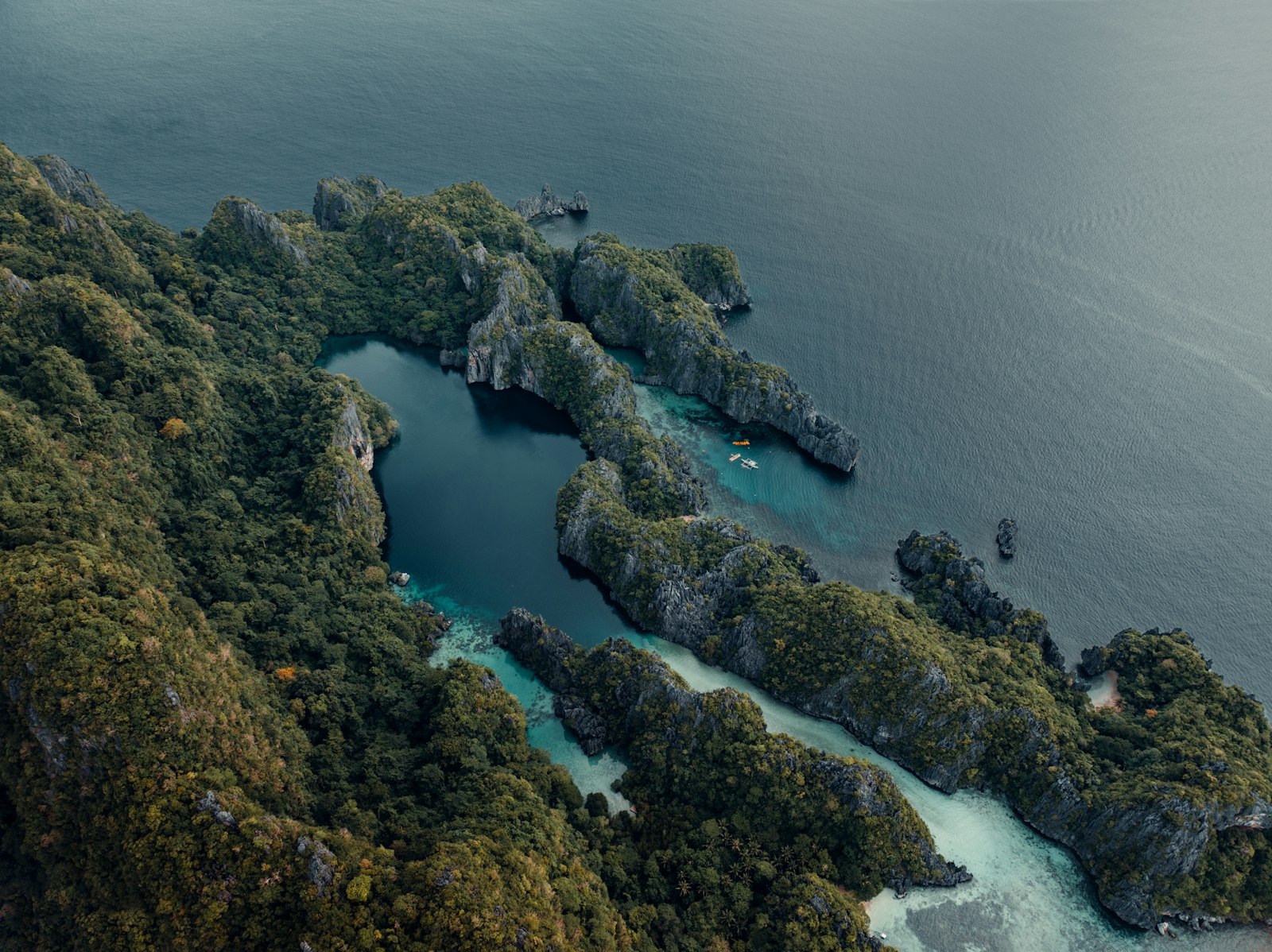
Maratua is a large, horseshoe-shaped atoll on the outer side of the Derawan Archipelago, facing deep water in the Makassar Strait. The inhabited part runs along the inner rim, with sandy beaches, mangroves and a shallow lagoon; the outer rim drops quickly into blue water.
Key physical facts:
- Maratua is an atoll island, not a small sand cay. It is long, with separate hamlets and several dive-focused resorts spread along the shore.
- The outer wall faces deep ocean; this is what supports the renowned current-swept sites and large schooling fish life.
- Distances between resorts and dive sites are reasonable by speedboat, but not “walk from your room to every dive centre” compact in the way Derawan village is.
Accommodation style: overwater piers and quiet resorts
Maratua is where most of the archipelago’s overwater-style properties are concentrated. Exact design varies, but you typically get:
- Rooms built along long wooden piers above the lagoon or on the beach directly facing the sea.
- On-site dive centres focused primarily on guests of the resort.
- Full-board or half-board meal plans, as there is little walk-out restaurant choice compared with Derawan.
Price-wise, as of last verified June 2026, dive resorts on Maratua with overwater-style rooms commonly quote in the mid-range to upper-mid-range bracket for Indonesia: broadly from low three-figure USD per person per night including diving at the lower end of their offers, up to higher three-figure USD per person per night for more spacious or premium units. These are by-quote and vary with season, room category and dive package length.
This is not the cheapest way to access Derawan diving, but the experience is calmer and more self-contained than on Derawan Island.
Dive profile: walls, channels and currents
If you are choosing maratua or derawan for diving and your main goal is challenging currents, pelagic passes and deeper walls, Maratua is the natural base.
Common characteristics of Maratua diving include:
- Wall and slope sites dropping to significant depths, often starting in the 5–10 m range then plunging down.
- Channel / current sites like the famous Big Fish Country, a current-swept channel where schooling barracuda, trevallies and occasional sharks cruise through. Operators usually require proof of experience and will cancel or adapt if currents are unsafe.
- Blue water feel, especially at exposed points of the atoll where visibility can be wide and you are out over deep water quickly.
- Macro corners closer to the lagoon, with healthy coral gardens and usual Indo-Pacific critters on calmer days.
You will still find easy dives on Maratua, but it suits:
- Intermediate to advanced divers comfortable in current.
- Photographers wanting schooling fish on walls and edges.
- Guests planning 3-dive days from a resort base, without much interest in village life.
Atmosphere: remote and self-contained
Compared with Derawan Island, Maratua feels remote and low-key. You largely live in your resort, interact with staff and dive team, and spend spare hours reading on your deck or snorkelling the house reef.
Non-dive activities are limited but can include:
- Kayaking in the lagoon (where available).
- Short walks along the beach or into nearby hamlets.
- Sunset jetty time watching reef sharks, turtles or rays cruise by under the pier lights.
If you prefer night markets, café-hopping or a choice of bars, Maratua will feel quiet. If you want rest between high-energy dives, that quiet is part of the appeal.
Derawan Island as a base: easiest access, turtles and village life
The setting: a compact village island near the mainland
Derawan Island is much smaller than Maratua and located closer to Kalimantan’s coast. You arrive by speedboat from Tanjung Batu after overland transfer from Berau.
Key physical facts:
- The island is ringed by sandy beaches and jetties. Most accommodation and dive shops sit right on or above the water around the main village.
- The house-reef zone and jetty area are shallow and full of life, especially turtles grazing and surfacing near the walkways.
- You can walk around the island in a short time, so it feels more like a single, interconnected village than separated hamlets.
Accommodation style: homestays and compact dive lodges
Derawan’s accommodation is more varied and, on average, lower-priced than the overwater-heavy stock on Maratua.
You will typically find:
- Simple wooden homestays or guesthouses, some built along jetties, others just off the shoreline.
- Small dive lodges with on-site dive centres and a mix of room categories.
- A few more polished guesthouses that still feel village-adjacent rather than secluded.
Indicative price ranges, last verified June 2026:
- Budget–lower mid-range homestays: often in the lower double-digit to low three-figure USD range per room per night, without diving.
- Package-style dive stays at small lodges: generally lower than equivalent packages on Maratua, particularly for non-overwater rooms.
All pricing is highly seasonal and quoted directly by the operators; think of these as broad tiers rather than fixed rates.
Dive profile: easy access and good house-reef life
For those asking whether to stay Maratua or Derawan on a first visit, Derawan Island makes sense if:
- Some of your party are new divers or non-divers.
- You value easy, shallow dives and simple boat logistics.
- You want turtles visible from your room’s jetty or the village pier almost every day.
Derawan offers:
- Relaxed house-reef dives with sandy patches, coral bommies and turtles.
- Macro potential for nudibranchs, frogfish and small critters around jetties and rubble slopes.
- Short boat rides to nearby reefs and to cleaning stations known for manta and other pelagic visitors on the right days (often combined into wider Kakaban/Sangalaki day-trips).
Currents are usually more forgiving than at Maratua’s top channel sites, though conditions change with tide and moon. Clear operator briefings and flexible site selection keep things appropriate for mixed-experience groups.
Atmosphere: lived-in island, food stalls and walks
Derawan Island is the obvious choice for travellers asking “which Derawan island to base myself on if I want some local life?”. There is an active village with:
- Local warungs (eateries) serving simple Indonesian food.
- Small shops for snacks and essentials.
- Children playing along the jetties and locals fishing in the evenings.
Compared with Maratua, you trade some seclusion for more everyday life around you. For many guests this is part of the appeal: you can walk out of your room, wander the island, buy a snack, or sit on a public jetty watching turtles and people.
Day-tripping to Kakaban and Sangalaki from Maratua vs Derawan
One of the main questions in the Derawan Island vs Maratua Island debate is access to Kakaban and Sangalaki. Both Maratua and Derawan can work; the trade-offs are different.
Relative distances and boat times
| Base island | Typical day-trip destinations | Approximate speedboat time* | Usual pattern |
|---|---|---|---|
| Maratua | Kakaban, Sangalaki | Roughly 30–60+ minutes to Kakaban, 60–90+ minutes total with combined stops* | Often combined Kakaban (lake + reef) + Sangalaki (manta-focused) in one full-day trip |
| Derawan Island | Kakaban, Sangalaki, Maratua area | Typically 60–90+ minutes each way depending on route and sea state* | Commonly full-day three-island loops: Kakaban, Sangalaki and a Maratua site |
*All times are indicative, depend on exact departure point, boat size, sea state and routing, and are given as rough guidance only.
From Maratua: closer to Kakaban, direct line to Sangalaki
From Maratua, your boats are already out on the outer side of the archipelago, a relatively direct line to Kakaban’s walls and lake. This usually means:
- Shorter runs to Kakaban compared with starting at Derawan.
- Reasonable total travel time for a Kakaban + Sangalaki full day, especially if you are staying on the part of Maratua closest to Kakaban.
- Day-trips that feel like extensions of your standard blue-water diving, rather than a long open-water crossing from a mainland-proximate base.
Resort-based operations on Maratua tend to schedule these trips a few times per week depending on demand, sea conditions and minimum participant numbers.
From Derawan Island: longer crossings, more three-island loops
From Derawan, Kakaban and Sangalaki are further, and many operators package them as full-day three-island excursions. A typical day can look like:
- Depart Derawan.
- Dive or snorkel Kakaban reef, visit the jellyfish lake (subject to current regulations and conservation rules).
- Continue to Sangalaki for manta-focused sessions and a surface break on the island.
- Sometimes add a Maratua or nearby reef site depending on time and conditions.
- Return to Derawan by late afternoon or early evening.
This style suits guests who do not mind 3-dive days with longer surface intervals on the boat and island stops built in. It also works well for mixed groups of divers and snorkellers.
Conservation and regulations
Across Kakaban and Sangalaki, local authorities may update rules around:
- Access fees and tickets.
- Maximum visitor numbers.
- Permitted activities inside sensitive areas (for example, jellyfish lake access routes, no-fins or no-sunscreen rules).
Operators from both Maratua and Derawan should brief you on the current regulations. If conservation is a priority for you, ask explicitly how they manage group sizes, approach manta cleaning stations, and brief guests around turtles and lake environments.
Which Derawan island to base on: how to choose
Answering “best island to stay Derawan” depends on your priorities more than on any absolute ranking. The following lenses usually help guests decide between Maratua Island and Derawan Island as a base.
1. Your dive experience and ambitions
- Mostly new divers or hesitant with current?
Derawan Island is often the more comfortable choice. House-reef and near-reef dives feel accessible, and operators can build up your confidence before taking you to wilder sites on day-trips. - Intermediate–advanced divers wanting currents and walls every day?
Maratua is usually better. You are closer to the atoll’s key channels and outer walls, and many resorts structure their daily program with these in mind, subject to tides and safety. - Mixed group (some advanced, some very new, some non-divers)?
Both can work. The trade-off: Maratua gives advanced divers more intense daily diving, while Derawan Island gives non-divers more to do on foot. Here, a detailed look at your group’s preferences helps; feel free to plan your trip with us or WhatsApp +62 811 3823 875 and we can suggest a base.
2. Desired atmosphere: resort seclusion vs village life
- Maratua Island: best if you picture waking to quiet lagoon views, walking down a resort jetty to your dive boat, and spending evenings on a private deck. Interaction is mainly with resort guests and staff, plus occasional visits to small hamlets.
- Derawan Island: best if you enjoy hearing the village call to prayer, buying snacks in local kiosks, and strolling different jetties in the evening to watch turtles and daily life.
Neither is “better”; they are simply different rhythms. Many repeat visitors eventually try both on separate trips.
3. Budget and value
As a broad trend:
- Derawan Island tends to offer more budget and lower mid-range options, especially simple rooms that still put you right over the water or steps from a jetty.
- Maratua Island has more mid-range and upper-mid-range dive resorts with overwater-style accommodation, generally priced above most Derawan homestays and lodges.
However, there are overlaps. Promotions, shoulder-season deals and longer-stay discounts can narrow the gap considerably. Big-picture: if overwater-style rooms and quieter surroundings rank high for you, Maratua often justifies the price premium. If you simply want to be on a coral island, dive daily and spend less on your room, Derawan Island is easier on the wallet.
4. Travel logistics and time
- Derawan Island: simplest access. From Berau, you transfer overland to Tanjung Batu and then speedboat to Derawan. Many travellers arriving on later flights choose Derawan to avoid very long travel days.
- Maratua Island: requires a longer boat transfer or domestic flight/boat combination depending on your route and current infrastructure. For longer stays, the extra effort often makes sense; for a short 3–4 night trip, Derawan may give you more net dive time for less transit time.
5. Wildlife goals (with caveats)
No wildlife sighting is guaranteed, but averages and site tendencies help frame expectations:
- Turtles: high chance of frequent turtle encounters from both islands. Derawan’s jetties make it visually obvious, with turtles often feeding just below the wooden walkways. Maratua’s outer walls and lagoon also hold many turtles; you tend to encounter them more on dives and snorkelling than from village jetties.
- Schooling barracuda and strong current sites: generally more associated with Maratua’s channels (e.g. Big Fish Country) and nearby points.
- Manta rays: classically linked to Sangalaki. Both Maratua and Derawan access Sangalaki by day-trip.
- Jellyfish lake: associated with Kakaban. Access and rules change periodically; both Maratua- and Derawan-based operators visit when allowed.
6. Single-island stay vs split stay
For longer trips (8–12 nights or more), a split stay can make sense: for example, 4–6 nights in Derawan Island for easy village life and then 4–6 nights in Maratua for atoll walls. Boat transfers between the islands are common but must be coordinated carefully to align with dives and check-in/out times.
For shorter trips, we usually advise picking one base to avoid losing half a day to inter-island transfers.
Summary comparison: Maratua vs Derawan Island
| Factor | Maratua Island | Derawan Island |
|---|---|---|
| Island type | Large atoll, outer edge | Small village island near mainland |
| Main vibe | Quiet, resort-centric, “remote” feel | Lived-in village, more local interaction |
| Accommodation style | Overwater-style and beach resorts, mainly full-board | Homestays and small lodges, more range of prices |
| Typical budget tier | Mid-range to upper-mid-range packages (by quote) | Budget to mid-range, some higher-end rooms (by quote) |
| Dive focus | Walls, channels, current sites, pelagic schooling fish | House-reef, turtles, easier slopes, good for learning |
| Best for | Intermediate–advanced divers, couples, those seeking quiet | Mixed groups, newer divers, budget-conscious, village feel |
| Access to Kakaban/Sangalaki | Shorter run to Kakaban; efficient day-trips from atoll | Longer but common full-day three-island loops |
| Turtles from shore | Often visible around piers and reefs, more “wild resort” feel | Very frequent under village jetties, highly visible |
If you want an even broader view across the archipelago, you may find our comparisons overview useful: it sets Maratua and Derawan alongside Kakaban and Sangalaki to help you weigh all four as bases and day-trip targets.
You can also dig into our Maratua dive resort guide for a closer look at how different atoll properties compare on house-reef, room style and package structure.
How we can help you choose a base
Maratua Resort exists as a guide-and-concierge, sitting between generic booking sites and individual operators. We:
- Compare islands and resorts across the Derawan Archipelago.
- Keep track of who is running safe, conservation-aware dive operations.
- Route serious enquiries to one vetted operating partner for quotes.
Our editorial comparison work is independent: no one can pay to change what we publish; if you proceed with our partner they may pay us a referral fee at no extra cost to you.
If you are still undecided on where to stay Derawan diving – Maratua, Derawan Island, or a split between them – share your dates, budget range and dive experience and we can suggest a base configuration. You can plan your trip or message us via WhatsApp on +62 811 3823 875.
Is Maratua better than Derawan Island for experienced divers?
For most experienced divers prioritising walls, channels and current-swept pelagic sites, Maratua is the stronger base. You are closer to the atoll’s signature dives, and resort operations are largely built around them, conditions permitting. Derawan Island can still work, especially if you value village life or have non-divers in the group, but you will typically spend more time transiting by boat to reach the same advanced sites.
Is Derawan Island suitable for complete beginner divers?
Yes, Derawan Island is often a good choice for complete beginners. Its house-reef areas and nearby reefs offer manageable depths and generally calmer conditions than Maratua’s key channels. The village setting also gives non-divers and newer divers more to do on non-dive days. As usual, choosing a reputable operator and starting with confined or very shallow sessions is essential.
Can I see turtles and manta rays from both Maratua and Derawan?
Turtles are common from both bases; Derawan’s village jetties make sightings particularly easy to observe from shore. Manta encounters in this region are primarily associated with Sangalaki, which both Maratua- and Derawan-based operators reach by day-trip. Sightings are never guaranteed, but staying on either island allows you to access manta-focused days at Sangalaki when conditions and regulations align.
Is it practical to split my stay between Maratua and Derawan Island?
For trips of roughly 8–12 nights or longer, a split stay can work well: for example, several nights in Derawan Island, then several on Maratua. You gain both village life and atoll seclusion. Logistics require coordination for inter-island transfers aligned with dive plans, so many guests have us or a trusted operator handle the sequence as a single itinerary.
Which is better for non-divers: Maratua or Derawan Island?
Non-divers who enjoy quiet, overwater decks and reading with a sea view often prefer Maratua. Non-divers who like walking through villages, trying local food stalls and watching daily life usually prefer Derawan Island. Both offer snorkelling, boat trips and beach time; the main difference is how self-contained you want your days to feel.