How to read this: Maratua Resort is an independent concierge guide — we curate and compare dive resorts and island stays in the Derawan archipelago, then arrange your booking through a vetted operating partner. We do not own or operate the resorts, and resort or brand names are used only as neutral examples, not claims of affiliation. Prices are by quote and vary by resort, season and party; figures here are indicative. Flights, transfers and dive seasons change — confirm before you travel. This is general information, not a binding offer.
Tarakan to Derawan usually means flying into Tarakan (TRK) in North Kalimantan, then connecting south toward Berau before continuing by road and speedboat. This northern routing is a valid alternative to reaching Derawan via Balikpapan, and can work well if Tarakan gives you cleaner flight timings from your origin city.
Tarakan to Derawan in one view
For most travellers, “tarakan to derawan” is not a single direct hop, but a stitched route made up of:
- 1. Flight into Tarakan (TRK)
- Arrive in North Kalimantan’s main airport from Jakarta, Surabaya or other Indonesian hubs, usually via a domestic carrier.
- 2. Connection south toward Berau
- Either by local flight (if available), or via mixed overland/boat routings arranged case‑by‑case. This is the flexible, variable leg.
- 3. Road transfer Berau – Tanjung Batu jetty
- Roughly 2–3 hours by private car to the small coastal jetty that serves Derawan, Maratua, Kakaban and Sangalaki.
- 4. Speedboat from Tanjung Batu to the islands
- 45–60 minutes to Derawan Island; 1.5–2+ hours to Maratua and the outer atolls, depending on boat size and sea state.
Maratua Resort is not an operator and does not run any transfers itself. Our role is to help you understand these moving parts, then connect you to a vetted local partner who can quote and coordinate current options.
For the broader picture of all entry points, see our Derawan & Maratua: Getting There guide. This page stays tightly focused on north kalimantan to derawan via Tarakan.
When Tarakan makes sense
Who should consider Derawan via Tarakan
Tarakan (TRK) is the main air gateway for northern East Kalimantan / North Kalimantan. It can be a smart starting point if:
- You find better long‑haul links landing in Tarakan than in Balikpapan (BPN) on your dates.
- You are combining Derawan with North Kalimantan or Sabah/Borneo travel and are already close to Tarakan.
- You prefer to front‑load flying, then do a single overland+boat push into the islands.
Typical traveller profiles that use Tarakan:
- Borneo overlanders heading south after exploring Nunukan, Sebatik, or the interior.
- Regional flyers from eastern Indonesian cities that currently have stronger schedules to TRK than to BPN.
- Return visitors who know the region and are working around very specific schedules.
If you are flying from major Indonesian hubs with flexible dates, Balikpapan + Berau is usually still the most straightforward “default” route. More on that comparison further down.
Realities and trade‑offs of the Tarakan route
The honest trade‑offs:
- More moving pieces. Tarakan to Berau links are less standardised than Balikpapan–Berau. Expect at least one custom‑arranged segment.
- Less predictable schedules. Local flights and multi‑leg transfers are prone to seasonal adjustments.
- More local coordination needed. This is not a route to improvise last‑minute without a reliable local contact.
In return you may get:
- Shorter total air time from some origins.
- Cleaner same‑day connections into the interior on specific days of the week.
- A route that fits better with a north‑to‑south overland through Borneo.
If you want a reality‑checked Tarakan routing for your dates, you can plan your trip with us and we’ll sense‑check options with our partner via WhatsApp at +62 811‑382‑3875.
Connecting from Tarakan toward Berau
Why Berau still matters on a Tarakan routing
Even on a “trk to derawan islands” plan, Berau (BEJ) usually remains the logical staging point for the last overland section to the Tanjung Batu jetty. Berau is the interior town that:
- Has the main road link to Tanjung Batu.
- Acts as a supply and logistics hub for the Derawan and Maratua region.
- Offers drivers and boats accustomed to handling dive gear and longer sea crossings.
From Tarakan your aim is to work your way to Berau (or, in some bespoke cases, directly toward the coast) and then join the standard Berau–Tanjung Batu–islands chain.
Flight options (variable, not guaranteed)
Domestic flight networks across Kalimantan change regularly. On some calendars there may be:
- Direct or one‑stop flights TRK–BEJ, often via another Kalimantan hub.
- Indirect routings that technically run Tarakan → Balikpapan → Berau, which reduces the advantage of flying into Tarakan in the first place.
Because carriers, flight numbers and days of operation change frequently, we:
- Do not list specific airlines or schedules here.
- Recommend treating any “perfect” connection you see online as provisional until checked against the operating month.
Approximate economy fares (last verified June 2026):
- Tarakan → Berau via Kalimantan hubs: often in the IDR 800,000–1,800,000 range one‑way, depending on timing and how early you book.
These are broad ranges only, not a quote. Taxes, baggage and seasonal pricing can push actual fares lower or higher.
Non‑flight connections: occasionally possible
In some seasons there are more creative ways to work south from Tarakan:
- Combination sea‑and‑road routes via smaller coastal towns.
- Chartered overland drives linking Tarakan’s mainland gateway with interior roads heading toward Berau’s region.
These are niche, highly situational and usually only make sense if:
- You already have a guide or operator in North Kalimantan, or
- You are travelling as a group, where the cost of a long private transfer can be spread across several divers.
They also add travel time and complexity. For most first‑time visitors, a flight segment remains the simplest link between Tarakan airport and Berau.
Road to Tanjung Batu jetty
Berau to Tanjung Batu: what to expect
Once in Berau, the core overland leg toward Derawan is the Berau – Tanjung Batu road:
- Distance / time: Allow around 2–3 hours point‑to‑point, depending on traffic, construction and weather.
- Vehicle type: Typically a private car or minivan organised through your resort, dive centre or transfer partner.
- Road condition: Mixed. Paved overall, but expect sections with:
- Potholes and ongoing repairs
- Slower progress in heavy rain
- Occasional roadside stops
Stops can be arranged en route for ATMs, basic snacks or SIM top‑ups, but facilities are simple.
How to arrange the transfer
The Berau–Tanjung Batu leg is usually pre‑booked as part of your overall Derawan logistics:
- Your chosen island property may package it with their boat transfer.
- A local operator can bundle:
- Berau airport pick‑up
- Road transfer to Tanjung Batu
- Speedboat to your specific island
Some properties expect you to arrive at set time windows to match shared boats. Misaligned flight times can mean:
- Waiting in Berau or at the jetty, or
- Paying extra for a private car/boat to preserve your schedule.
Indicative private car ranges (last verified June 2026):
- Berau → Tanjung Batu, one‑way private transfer: often somewhere in the IDR 700,000–1,500,000 band per vehicle, depending on vehicle type and who is arranging it.
Again, treat this as orientation, not a published tariff. Always confirm current rates in your quote.
Tanjung Batu jetty: on the ground
Tanjung Batu is a small coastal jetty, not a major port. Expect:
- A simple pier with local boats coming and going.
- Limited shops and warungs (small eateries) for snacks and drinks.
- Basic toilet facilities, which can be useful before a long speedboat ride.
There is no reliable left‑luggage system and security is informal, so keep dive and camera gear with you or under the eye of your driver/boat crew.
Speedboat to the islands
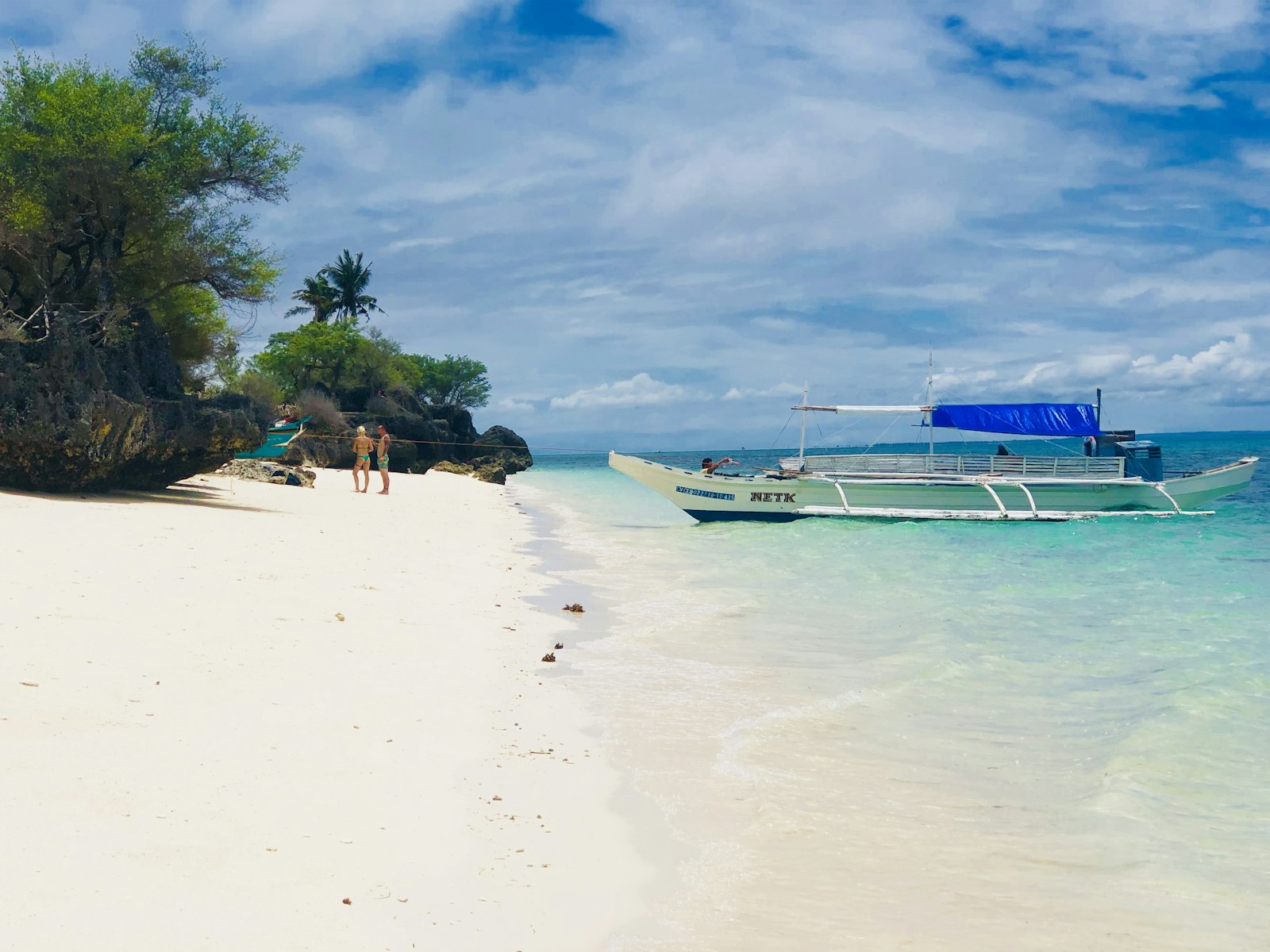
From Tanjung Batu the final step is a speedboat transfer to your chosen island: Derawan, Maratua, Kakaban or Sangalaki.
Distances and typical durations
Approximate travel times from Tanjung Batu in normal sea conditions:
- Derawan Island: ~45–60 minutes
- Kakaban: ~1–1.5 hours (usually via Derawan or in combination with other transfers/trips)
- Sangalaki: ~1–1.5 hours, often combined with dive excursions
- Maratua (resort piers): ~1.5–2+ hours depending on the exact landing point and boat size
Sea state matters. Strong winds or adverse currents can extend these times significantly, and on very rough days boats may be delayed or rescheduled.
Boat types and comfort
Most Derawan‑bound transfers use fibreglass speedboats fitted with:
- One or more outboard engines
- Bench or individual seating
- A simple roof for shade
Things to keep in mind:
- Getting wet: Spray is common, particularly on Maratua runs. Pack dry bags for electronics.
- Noise: Outboards are loud; some travellers appreciate earplugs.
- Motion: If you are prone to seasickness, consider medication 30–60 minutes before departure.
Ask your arranging partner about:
- Maximum passenger numbers on shared boats.
- Luggage capacity – especially if travelling with dive gear, camera housings or rebreather kit.
Shared vs private transfers and cost ranges
Most resorts and operators offer:
- Shared scheduled boats on specific days/times, matched to majority guest arrivals.
- Private charters for individuals or groups, usually at a higher but more flexible rate.
Indicative speedboat ranges (last verified June 2026):
- Tanjung Batu ↔ Derawan shared transfer: often in the IDR 250,000–600,000 per person bracket, depending on numbers and policy.
- Tanjung Batu ↔ Maratua private charter: commonly quoted per boat, with totals that can range from roughly IDR 3,000,000–7,000,000+ one‑way depending on size, fuel costs and routing.
Quotes can be higher in remote‑fuel or shoulder seasons. For current figures and the mix of shared vs private for your dates, plan your trip and we can coordinate options via WhatsApp at +62 811‑382‑3875.
Comparing Tarakan vs Balikpapan entry
For most travellers, the real decision is not “Tarakan or Derawan?” but Tarakan vs Balikpapan as your first Kalimantan landing point.
Below is a simplified comparison of entering the Derawan archipelago via Tarakan versus via Balikpapan, then continuing toward Berau and Tanjung Batu.
| Factor | Via Tarakan (TRK) | Via Balikpapan (BPN) |
|---|---|---|
| Role in trip | Northern gateway; niche but useful for specific routings or Borneo overlanders. | Main hub for most first‑time visitors to Derawan & Maratua. |
| Typical chain | Origin → TRK → (connection) → Berau → Tanjung Batu → islands. | Origin → BPN → Berau → Tanjung Batu → islands. |
| Flight choice | Can be good from certain eastern/Indonesian cities; schedules more variable. | Often more daily flights from Jakarta/Surabaya and other big hubs. |
| Complexity | Higher: connections south from TRK need more case‑by‑case planning. | Lower: BPN → Berau is a well‑trodden, frequently used route. |
| Suitability | Return visitors, Borneo loop travellers, or those with specific TRK‑friendly flights. | Most first‑timers, groups and short dive holidays. |
| Resilience to schedule changes | Lower: one adjusted domestic link can ripple through the route. | Higher: more alternative flights, easier re‑routing. |
Choosing the right entry for your itinerary
Consider these questions:
- Where are you flying from?
- If your best fares and times land in Balikpapan, there is little reason to force a Tarakan entry.
-
If you are already in North Kalimantan or Sabah, tarakan airport to derawan via Berau can be efficient.
-
How tight is your schedule?
- On a 5–7 night dive trip, simplicity and resilience argue for Balikpapan.
-
On a longer Borneo circuit, Tarakan might slot naturally into a north‑to‑south path.
-
How much uncertainty is acceptable?
- If you prefer robust, well‑mapped routes, lean toward Balikpapan.
- If you are comfortable with some flexibility and local arrangements, Tarakan is more viable.
Our recommendation pattern:
- First‑time, dive‑focused visitors: typically enter via Balikpapan.
- Repeat guests and Borneo travellers: assess both; choose based on the month’s flight map.
If you share your starting point, target dates and trip length, we can tell you in plain language which gateway currently makes more sense and why. Use plan your trip or WhatsApp +62 811‑382‑3875 for that sounding board.
Practical tips for the Tarakan route
Build buffer and avoid razor‑thin connections
On derawan via tarakan itineraries, connection risk is higher, so:
- Avoid 30–45 minute domestic connections; aim for comfortable layovers.
- If possible, land in Tarakan a day before your key interior flight or overland departure.
- On the return, avoid booking your international flight the same day as your boat and multiple domestic legs.
A realistic rhythm for many travellers:
- Day 1: Land in TRK, overnight.
- Day 2: Move to Berau, then Tanjung Batu and onto the islands.
- Day 3–8+: Dive and stay.
- Final days: Reverse, with an extra buffer night on the mainland or at your final Indonesian hub.
Weather, seasons and seas
The Derawan region is equatorial, with relatively consistent temperatures year‑round. However:
- Rain and wind can affect:
- Road speeds between Berau and Tanjung Batu.
- Sea states on the Tanjung Batu–Maratua leg.
Operators and captains may delay or reschedule transfers for safety. Build flexibility into your inbound and outbound days, especially if you have critical meetings or long‑haul flights afterwards.
Safety, permits and conservation considerations
- Use lifejackets on speedboats, and ensure there are enough for all passengers.
- Keep valuables and electronics in dry bags.
- Ask your arranging partner about any current marine park fees or village contributions that may apply to parts of the archipelago; these frameworks can evolve.
Maratua Resort is editorial and independent: no one can pay to change what we publish; if you proceed with our partner they may pay us a referral fee at no extra cost to you. We’ll always encourage operators who treat the reefs, mantas, turtles and local communities with respect.
Who to contact for current Tarakan–Derawan options
Because tariffs, schedules and infrastructure across North and East Kalimantan change, a live check is essential before locking in tickets.
If you’d like help turning the outline in this guide into a workable Tarakan–Derawan plan for your dates, plan your trip or message us on WhatsApp at +62 811‑382‑3875. We’ll:
- Sense‑check Tarakan vs Balikpapan for your city and dates.
- Ask our partner for current north kalimantan to derawan options and indicative costs.
- Flag where extra buffer or an overnight makes sense.
FAQs: Tarakan to Derawan route
Can I go directly from Tarakan to Derawan by boat?
There is no standard direct “public” speedboat from Tarakan to Derawan used by most visitors. In very specific cases a charter could be arranged, but the distance, sea conditions and cost usually make routing via Berau and Tanjung Batu far more practical.
Is Tarakan or Balikpapan better for first‑time visitors to Derawan?
For most first‑time visitors, Balikpapan is simpler. It has more frequent flights to Berau, and the Balikpapan–Berau–Tanjung Batu chain is the most established route. Tarakan can work well for travellers already in North Kalimantan or on certain regional flight patterns, but usually requires more custom planning.
How long does it take from Berau to Derawan using the Tarakan route?
Once you are in Berau, allow around 2–3 hours by road to Tanjung Batu and then 45–60 minutes by speedboat to Derawan Island, assuming normal traffic and sea conditions. You should still keep buffer for delays, especially in the rainy season.
Can I do Tarakan to Maratua in a single day?
In theory, yes, if flight times, road conditions and boat schedules all line up: Tarakan → Berau, road to Tanjung Batu, then a 1.5–2+ hour speedboat to Maratua. In practice, it is tight and sensitive to delays. Many travellers prefer to overnight either in Tarakan, Berau or on Derawan to break the journey.
How far in advance should I arrange transfers from Tarakan to Derawan?
For high season or group travel, aiming for at least 6–8 weeks in advance is sensible, especially if you want to lock in specific boat days. The earlier you coordinate flights with overland and boat legs, the easier it is to avoid long waits or costly private charters.