How to read this: Maratua Resort is an independent concierge guide — we curate and compare dive resorts and island stays in the Derawan archipelago, then arrange your booking through a vetted operating partner. We do not own or operate the resorts, and resort or brand names are used only as neutral examples, not claims of affiliation. Prices are by quote and vary by resort, season and party; figures here are indicative. Flights, transfers and dive seasons change — confirm before you travel. This is general information, not a binding offer.
Manta season Sangalaki means the period when your chances of seeing manta rays around Sangalaki Island are highest, driven mainly by plankton blooms and calmer seas. In practice, mantas can be encountered all year at cleaning stations around Sangalaki, but sightings usually peak during the drier, more settled months of roughly March to October.
Why Sangalaki Has Mantas At All
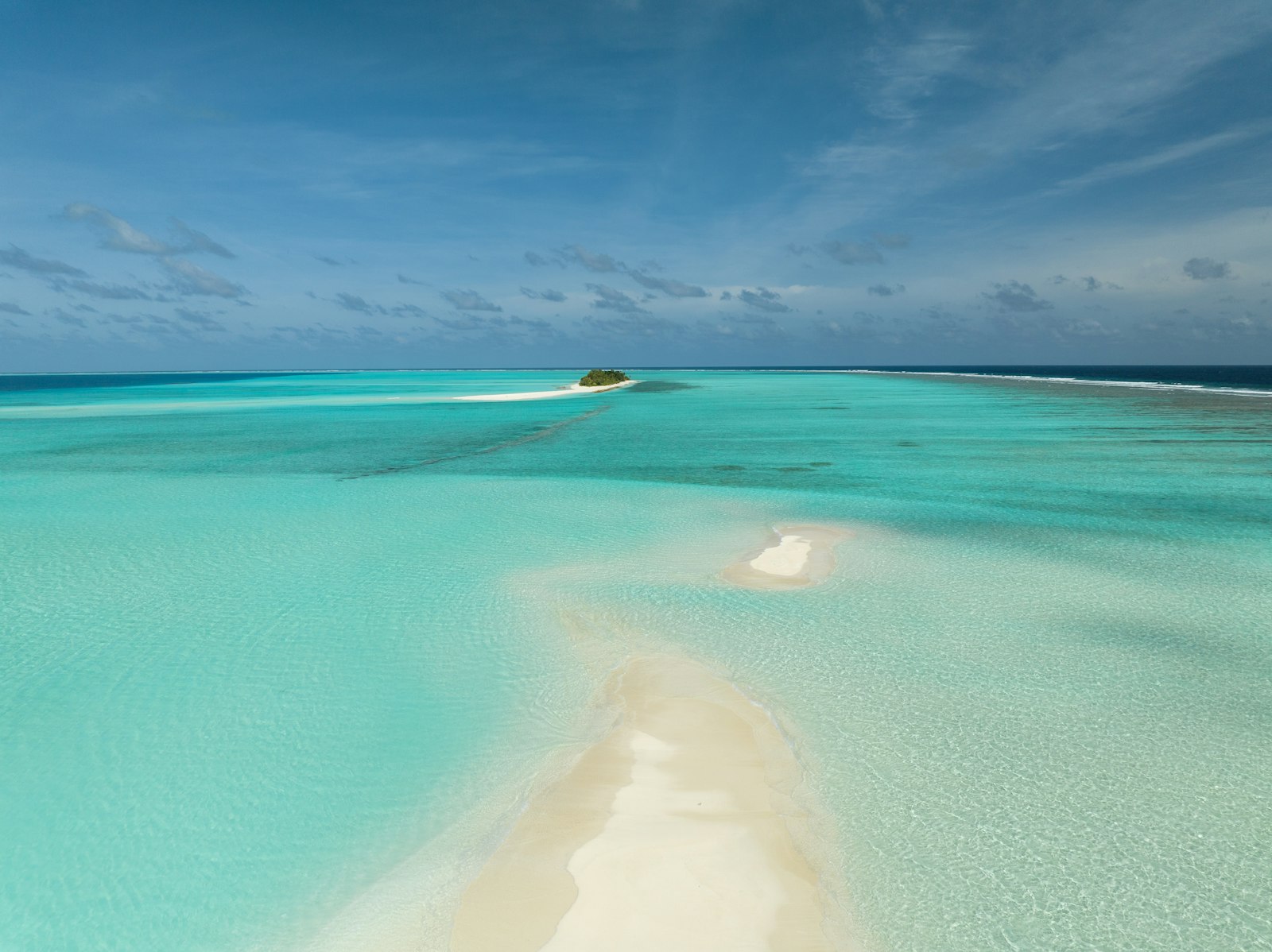
Sangalaki is a small, low-lying island west of Maratua in the Derawan archipelago of East Kalimantan, Indonesia. On a map it looks modest: a short sand rim, a narrow strip of forest, and a wide reef platform. Underwater, though, that reef flat and the immediate drop-off are exactly what manta rays look for.
Two things make Sangalaki reliable manta habitat:
- Cleaning stations on the reef. Certain bommies and coral heads host cleaner fish that pick parasites and dead skin from mantas. These coral patches act as “service stations” mantas revisit again and again.
- Productive, plankton-rich water. The Derawan–Maratua area sits at a crossroads of coastal and open-ocean currents. Around Sangalaki this flow regularly concentrates plankton, especially on certain tides and seasons.
That combination—cleaning plus feeding—is why Sangalaki has a reputation for mantas, not just random pass-through sightings.
Not Just a Manta Island
Sangalaki is also an important turtle nesting site. On night visits (typically as part of multi-island trips based out of Maratua or Derawan), guests often see green turtles coming ashore to nest, or hatchlings being released under supervision from local rangers. This turtle activity does not directly affect manta season, but it does shape how operators time landings and briefings.
What Actually Drives “Manta Season” Here
Talking about manta season Sangalaki can be misleading if it sounds like a binary: mantas / no mantas. The reality is more nuanced.
Four main factors influence manta sightings around Sangalaki:
1. Plankton Blooms
Mantas are filter feeders. Around Sangalaki they often feed just off the reef flat or over the sand, sometimes in small groups, sometimes in tight feeding trains.
Plankton concentrations are affected by:
- Winds and surface currents: These push nutrient-rich water onto the reef platform or along the drop-off.
- Rain and river outflow: In stronger wet seasons, higher runoff can change water clarity and productivity across parts of the archipelago.
- Upwelling pulses: Cooler, deeper water occasionally wells up, bringing nutrients that kick-start plankton growth.
Locally, guides talk more about “good plankton days” than rigid calendar windows. The broad pattern, though, is that the more stable dry-to-shoulder months (roughly March–October) tend to give more consistent feeding encounters than the peak of the wet, windier stretch.
2. Cleaning Station Use
Cleaning stations around Sangalaki are shallow and accessible to both divers and snorkellers. Mantas use them year-round to maintain skin health. This is why you can still see mantas on days without obvious surface feeding.
Patterns you may notice:
- Time of day: Some sites show more consistent traffic mid-morning to early afternoon, but this is not an absolute rule.
- Tidal phase: On certain stations, incoming or outgoing tides seem to coincide with heavier manta traffic. Which phase is “best” varies by spot and year, so good local tide planning matters more than the month.
The cleaning behaviour itself is fairly predictable. What is less predictable is how many individuals show up during a given dive.
3. Regional Monsoon Patterns
The Derawan–Maratua region sits in a transition zone between wider Indonesian monsoon systems. You will hear locals talk about:
- “Dry” / calmer season: Typically around March to October. Seas are often flatter, visibility more stable, and day-to-day access to Sangalaki from Maratua or Derawan is more reliable.
- “Wet” / windier months: Roughly November to February can bring stronger winds, rougher crossings and more frequent rain squalls. Trips still run, but may be more weather-dependent.
These seasonal shifts affect comfort, crossing times and how often operators can safely plan Sangalaki runs. Mantas still use the area, but your practical chance of being on-site on an optimal day changes with the weather.
4. Human Logistics
Finally, “manta season” is also about trip patterns. Most visitors stay on Maratua or Derawan and visit Sangalaki as part of a day trip circuit that may also include Kakaban or nearby reefs.
Those day circuits are more likely to run frequently during:
- Months with better sea conditions and easier crossings.
- Higher visitor periods, when operators can group guests efficiently.
So the period when trips are easiest to arrange aligns broadly with the more favorable weather window.
Best Months for Sangalaki Mantas: How to Time It
If you want a single, practical answer to “best month for Sangalaki mantas”, the honest response is: pick within the calmer March–October window, then fine-tune dates based on your tolerance for rain, crowds and cost.
Here is how the year usually plays out in broad strokes (patterns can and do shift slightly year to year):
| Period | Manta Prospects | Weather & Sea State | Who It Suits |
|---|---|---|---|
| March – May | Often very good; feeding and cleaning encounters, water not at its clearest but usually productive. | Transition into drier, calmer months; some residual rain, seas generally moderate to calm. | Divers and snorkellers prioritising manta action over absolute blue-water visibility. |
| June – August | Strong overall; plenty of manta cleaning and good chance of feeding when plankton is up. | Typically the most settled seas; popular travel months so sites can be busier. | Most travellers: good balance of mantas, comfort and visibility. |
| September – October | Still very good, sometimes excellent; can feel quieter after mid-year peak. | Generally calm; increasing chance of showers toward October. | Those seeking solid manta odds with slightly softer demand. |
| November – February | Still possible; mantas remain around cleaning stations but trips can be disrupted by wind and rain. | More variable; rougher seas and more rain days. Some weeks are fine, others choppy. | Flexible travellers, or those already in the region for other reasons. |
The Short Version
- Best overall window: March–October for a balance of reliable crossings, pleasant weather and good manta activity.
- For pure manta focus: Aim for April–June or September–early October, staying at least a week so you have multiple Sangalaki days.
- If you can only travel in Northern Hemisphere winter: You can still see mantas, but build flexibility into your plan and accept that some days may be winded out.
If you share your dates and priorities, we can sanity-check them against recent patterns: plan your trip with us or WhatsApp +62 811 3823 875 for straight, no-pressure timing advice.
Weather, Visibility and Plankton: The Trade-offs
Manta season Sangalaki is not the same as “best visibility season”. In fact, some of the richest feeding days come with greener, plankton-thick water and middling horizontal visibility.
Water Temperature
In this part of East Kalimantan, water temperatures are usually warm:
- Typical range
- ~27–30°C across much of the year.
- Cooler pulses
- Occasional upwelling or weather shifts can drop this a couple of degrees for short spells.
Most divers are comfortable in a 3 mm full suit; those who get cold easily might prefer 5 mm or a 3 mm plus a vest for longer trips.
Visibility
- Expect variability: 10–25 m is typical, but on very plankton-rich days it can be less where mantas are feeding.
- Feeding vs clarity: Some of the most intense manta passes happen when the water looks milky from the boat. This is normal and, for mantas, desirable.
If “postcard-blue water” is your top priority, you may prefer mid-dry-season days with more modest plankton levels, but accept that mantas may be cleaning quietly rather than feeding dramatically.
Surface Conditions
Crossings from Maratua or Derawan to Sangalaki can range from flat calm to lumpy, depending on wind:
- Calmer months: June–August often offer the smoothest rides.
- Windier spells: December–February see more days where operators either shorten routes or skip longer runs for comfort and safety.
If you are prone to seasickness, choose dates nearer the calm window, and mention this when planning so departure times can, where possible, avoid the choppiest part of the day.
Diving vs Snorkeling with Mantas at Sangalaki
One of the reasons Sangalaki is so frequently recommended for manta encounters is how shallow and accessible the key sites are. You do not need to be a deep-reef technical diver to have meaningful interactions.
Diving with Sangalaki Mantas
Most manta-focused dives around Sangalaki fit the following profile:
- Depth: Commonly 5–18 m on reef flats, gentle slopes or near cleaning bommies.
- Conditions: Mild to moderate current, usually manageable by Advanced Open Water divers with some drift experience.
- Style: Mixed; some dives are static (kneeling or hovering near a cleaning station), others are gentle drifts scanning for feeding activity.
Good practice includes:
- Staying low and stationary at cleaning stations; let mantas come to you.
- Avoiding bubbles directly under cleaning animals when possible by keeping position slightly off to the side.
- Maintaining neutral buoyancy and avoiding contact with coral outcrops frequented by mantas and cleaner fish.
Most Maratua- or Derawan-based partners will tailor Sangalaki dives to a mixed group’s experience level. Still, if you are newly certified, mention this ahead of time so the team can pick the gentlest sites and conditions.
Snorkeling with Sangalaki Mantas
For Sangalaki, snorkeling can be as rewarding as diving for manta encounters because:
- Mantas often feed close to the surface.
- Cleaning stations are shallow enough to see from above on a clear day.
Snorkeling is ideal for:
- Non-divers accompanying a diving partner.
- Families, provided children are comfortable in open water with flotation.
- Divers who want an extra, low-impact manta session between boat dives.
Basic guidelines:
- Enter the water calmly and away from the main manta path.
- Do not swim directly at a manta; angle to the side and let it decide how close to pass.
- Keep arms tucked rather than reaching out; accidental touches can still stress animals.
Talk to your organiser about mixing diving and snorkeling on the same Sangalaki day. Some boats keep these activities separate in time to keep group management safe and relaxed.
Sangalaki Plankton Season: What It Means for Your Trip
You will sometimes hear people talk about “Sangalaki plankton season” as though it were a single block on the calendar. In practice:
- Plankton levels fluctuate on weekly and tidal scales, not just by month.
- Some stronger blooms are short-lived and can coincide with otherwise average months.
- Even on “non-peak” days, there is usually enough natural productivity to attract mantas to cleaning stations.
From a traveller’s point of view, the key implications are:
- Water colour: Expect some days of greener, nutrient-rich water, especially around the shoulders of the wet and dry seasons.
- Photography trade-offs: Backscatter can be heavy while mantas are feeding. If you are primarily shooting wide-angle stills, lean toward periods with slightly clearer, less soupy water and focus on cleaning behaviour.
- Health & comfort: Plankton itself is not a problem for most swimmers, but those with sensitive skin or allergies may prefer to rinse well after long sessions.
Ultimately, there is no “one” Sangalaki plankton season you must hit or miss. Instead, think in terms of maximising your opportunities across multiple days in a broadly favourable window.
Managing Expectations: Honest Pros and Cons
An honest guide to manta season Sangalaki has to emphasise one thing clearly: no operator, however experienced, can guarantee manta sightings. Conservation-minded itineraries are about stacking the odds in your favour, not promising wildlife on demand.
What You Can Reasonably Expect
If you visit within the March–October window, stay around a week and include multiple Sangalaki days:
- You have a good chance of seeing at least some manta activity—often cleaning, sometimes feeding.
- You may have one or more days with minimal manta traffic at specific sites, even during the “good” season.
- You will almost certainly experience other highlights across the Derawan archipelago: turtles, reefs, and the unique lake and walls at nearby Kakaban.
If you travel in the windier November–February stretch:
- You still might see mantas—some seasons are kinder than others.
- You should be prepared for scrubbed or shortened boat days if conditions turn rough.
- You will get more value from a flexible, multi-island mindset than from a rigid manta-only checklist.
Why No One Honest Will Promise You Mantas
Manta rays are protected in Indonesia, but they still face threats from:
- Climate-driven shifts in ocean conditions.
- Regional fishing pressure and bycatch outside protected zones.
- Disturbance from unmanaged tourism in parts of their range.
Responsible guides treat mantas as wild animals whose presence is a privilege, not a commodity. If someone guarantees you mantas on fixed dates, treat it as a red flag.
Our role at Maratua Resort is to curate and compare options across the Derawan archipelago, not to run boats directly. We work with a vetted operating partner and keep feedback loops open, but:
No one can pay to change what we publish; if you proceed with our partner they may pay us a referral fee at no extra cost to you.
How Long to Stay
To give manta season Sangalaki a fair shot:
- Minimum: 4–5 nights in the region with at least one dedicated Sangalaki day (two is better).
- Comfortable: 7–10 nights, mixing Sangalaki, Kakaban and Maratua channels to hedge against localised weather.
- Photo-focused or manta-obsessed: 10–14 nights across the March–October window, deliberately spacing Sangalaki days to catch different tides and conditions.
We can help you structure that mix to match your tolerance for boat time vs. house-reef days. Share a rough date range and we will map realistic options: plan your trip or WhatsApp +62 811 3823 875 to start.
Fitting Sangalaki into a Wider Derawan Trip
While this page focuses on manta season Sangalaki, most visitors experience the island as part of a broader itinerary.
A typical Derawan/Maratua trip might include:
- Maratua: Channels and walls with sharks, turtles and schooling fish; access to a few local macro sites.
- Sangalaki: Day trips for mantas and, on some itineraries, evening turtle nesting.
- Kakaban: The famous non-stinging jellyfish lake (currently subject to access rules) plus outer walls and sea mounts.
- Derawan Island: A more village-like setting, often used as an arrival or departure base.
From a manta-timing perspective, the same seasonal logic applies across these islands. The calmer months simply make the full circuit more comfortable and dependable.
For more granular, island-by-island seasonality—including non-manta factors such as jellyfish lake access and Maratua pelagic timing—see our broader guide to the best time to visit the Derawan archipelago, or message us for a current read on conditions.
Next Steps: Timing Your Own Manta Window
To recap:
- Mantas use Sangalaki year-round, especially its cleaning stations.
- The most practical window for reliable access and good overall conditions is roughly March–October.
- There is no perfect guarantee, only better odds stacked through timing, trip length and flexible day planning.
If you:
- Already have fixed dates and want an honest read on how they align with likely manta activity, or
- Are flexible and want to pick dates around Sangalaki’s calmer, more productive periods,
share your rough timeframe and profile (diver vs snorkeller, family vs photo-focused). We will help you shape a realistic manta-focused plan and connect you with a suitable operating partner if you choose.
Start here: plan your trip or WhatsApp +62 811 3823 875 for quiet, detailed help timing your visit.
FAQs on Manta Season at Sangalaki
Is there a guaranteed best month for Sangalaki mantas?
No. Mantas are wild animals and no month can offer a guarantee. The March–October period generally offers the best combination of manta activity, manageable crossings and stable weather, but sightings still vary week to week.
Can I see mantas at Sangalaki in December or January?
Yes, it is possible, especially at cleaning stations, but conditions are more variable. Wind and rain can limit trips some days. If you travel then, build flexibility into your schedule and accept a higher chance of weather-related changes.
Do I need to be an advanced diver to see mantas at Sangalaki?
Not necessarily. Many manta dives are shallow and suitable for Open Water divers with basic drift experience. Snorkellers can also have excellent encounters because mantas often stay shallow. Always disclose your experience level so sites and conditions can be matched appropriately.
Is snorkeling or diving better for Sangalaki mantas?
Each has advantages. Diving lets you sit quietly at cleaning stations for extended periods, while snorkeling can be ideal for watching surface feeding without bubbles. If time allows, combining both gives the fullest experience.
How many days should I plan at Sangalaki for a good chance of mantas?
Think in terms of multiple opportunities rather than a single “manta day”. On a 7–10 night Derawan–Maratua trip, aim for at least two separate Sangalaki visits. This helps buffer against off days, weather shifts or changing plankton conditions.