
How to read this: Maratua Resort is an independent concierge guide — we curate and compare dive resorts and island stays in the Derawan archipelago, then arrange your booking through a vetted operating partner. We do not own or operate the resorts, and resort or brand names are used only as neutral examples, not claims of affiliation. Prices are by quote and vary by resort, season and party; figures here are indicative. Flights, transfers and dive seasons change — confirm before you travel. This is general information, not a binding offer.
Derawan diving means warm, clear Celebes Sea water, easy house reefs and relaxed turtles around Derawan Island, with serious big‑animal action on nearby Maratua, Sangalaki and Kakaban. On this page I’ll map out the main Derawan dive sites, what each island is actually like underwater, and how to match the diving to your level before we help you quietly book through a vetted local partner.
As Lead Editor for Maratua Resort, I spend most of my time comparing dives and operators across the archipelago rather than selling any single property. Think of this as a calm, honest Derawan scuba diving guide: editorial first, bookings second.
—
What makes Derawan diving distinctive?
Derawan sits off the northeast coast of Borneo, in the Celebes Sea, on the wider fringe of the Coral Triangle. That geography shapes almost everything about the diving.
- Warm water (typically around 28–30°C) most of the year.
- Healthy coral in many areas, with patchier sites closer to villages and jetties.
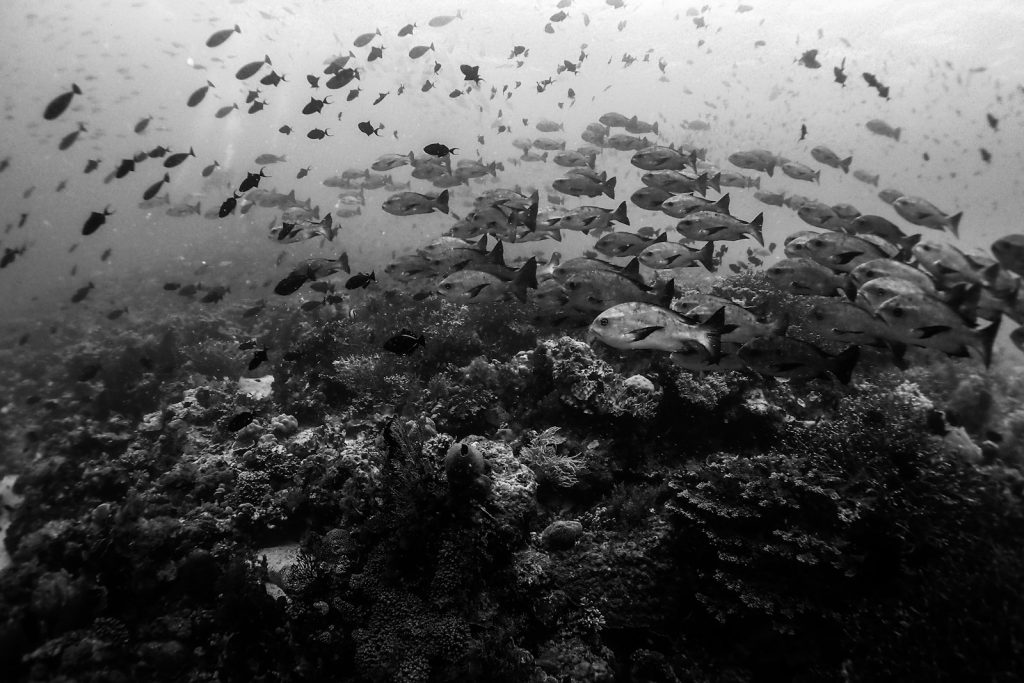
- Regular encounters with big animals: turtles in Derawan and Maratua, manta rays at Sangalaki, schooling barracuda and occasional pelagics at Maratua channels, plus non‑stinging jellyfish in Kakaban’s lake.
- Compact distances between islands once you’re based in the region, allowing multi‑island, multi‑style trips.
Derawan itself is best thought of as the “village” island with relaxed, easy dives and prolific turtles. Most of the region’s serious wall diving, channels and mantas are actually around Maratua, Kakaban and Sangalaki, usually reached by speedboat from a resort base.
If you are used to Indonesia’s better‑known regions (Raja Ampat, Komodo, Alor), Derawan’s underwater life can feel a little less dense on the smaller reef fish and soft coral side, but it compensates with reliable turtles, seasonal mantas, schooling barracuda and far fewer boats. It’s also logistically simpler than many frontier destinations: you sleep in a bed on an island, not on a liveaboard, yet still reach very wild feeling sites.
—
Signature Derawan dive site types
Most derawan dive sites fall into a few clear categories. Planning your trip is partly about deciding how much time you want to spend on each type.
1. Derawan house reefs and jetty dives
Derawan’s own fringing reef and jetties offer straightforward, shallow diving and long, relaxed photography sessions.
Typical features:
- Depth: 5–20 m, sloping sand and coral.
- Access: Short boat rides or direct entries from jetties.
- Marine life: Green and hawksbill turtles, schools of fusiliers and batfish, anemonefish, occasional blue‑spotted rays; at night, crustaceans and hunting lionfish.
This is the classic “Derawan house reef” environment: not high‑adrenaline, but ideal for beginners, refresher dives, and photographers who appreciate time over drama. Conditions are usually calm, with only moderate current on stronger tides.
2. Wall diving on Maratua and nearby reefs
Derawan wall diving in the truest sense is a Maratua story. The southern and eastern edges of Maratua Atoll plunge from shallow reef flats into very deep water, attracting schooling fish and passing pelagics.
Typical wall features:
- Depth: Reef tops from 5–10 m; vertical or steeply sloping walls falling far beyond recreational depths.
- Marine life: Sponges, sea fans, soft corals; schools of trevally, batfish and barracuda; turtles resting on ledges; reef sharks cruising by.
- Experience level: Comfortable buoyancy and gas management needed; some walls have down‑currents on certain tides.
If you are specifically looking for Derawan wall diving, expect to spend at least a couple of diving days out of Maratua, not Derawan village itself. Transfers between the islands are straightforward to arrange through operators; they are just not “pop out between dives” distances.
3. Channels and schooling fish (Maratua’s “Big Fish” arena)
The atoll passes and channel‑like sites around Maratua occasionally compress current and nutrients into genuine big‑fish scenes.
Key characteristics:
- Currents: Can be strong and changeable, especially on spring tides.
- What you might see: Large schools of barracuda, bigeye trevally, reef sharks, sometimes bumphead parrotfish and other pelagics cruising by.
- Dive style: Often negative entries, fast descents and drifting with DSMB deployment at the end.
These are not training dives. They reward divers comfortable with current, depth and group coordination. For capable divers, though, this is the most exciting side of Derawan diving.
4. Manta cleaning and feeding sites (Sangalaki)
Sangalaki Island, south‑west of Derawan, is the region’s manta hub. The shallow reefs and sandy patches around the island have cleaning stations and feeding areas where manta rays regularly appear.
Features:
- Depth: Commonly 5–18 m, very manageable.
- Conditions: Often gentle currents; can be plankton‑rich and slightly reduced visibility on strong manta days.
- Marine life: Reef mantas, turtles, schooling fish, coral bommies.
Encounters are never guaranteed, and manta presence can be seasonal and linked to plankton blooms. Operators follow codes of conduct: no chasing, no touching, maintain distance, and stay low on the reef or sand.
For many visitors, a Sangalaki manta day trip from Maratua or Derawan is a highlight of their itinerary.
5. Jellyfish Lake and outer reefs (Kakaban)
Kakaban is world‑famous for its brackish, non‑stinging jellyfish lake, surrounded by steep outer reef walls.
Two different experiences:
- Jellyfish Lake: Snorkelling only, in a landlocked lake reached by a short walk. Non‑stinging jellyfish drift in dense numbers. Strict conservation rules apply, including entry fees, no fins in some zones, and no sunscreen contact with the water.
- Outer reefs: Deeper walls and slopes with healthy coral and schooling fish, in similar style to Maratua’s walls but with slightly different profiles and species composition.
Most daily itineraries combine one or two wall dives with a surface interval and snorkel session in the lake.
6. Macro and critter‑focused dives
Derawan is not primarily marketed as a macro destination, especially compared with Lembeh or Anilao, but several sites have:
- Common macro subjects: nudibranchs, shrimps, crabs, juvenile fish.
- Occasional highlights: frogfish, seahorses, cuttlefish, and some night‑dive oddities.
If macro photography is your priority, we can help you identify which house reefs and near‑jetty slopes offer the best conditions and cooperative operators for slow dives.
—
Difficulty levels and certification guidance
Derawan diving as a whole spans the full spectrum from beginner‑friendly to advanced. The trick is choosing the right base island and scheduling the right day trips.
Entry‑level and casual divers
Ideal profiles:
- Newly certified Open Water divers.
- Divers who have been out of the water for a while and want a gentle refresh.
- Families with mixed‑experience groups.
Recommended focus:
- Derawan house reef and nearby easy boat dives.
- Protected slopes around Maratua on calm days (avoiding stronger channels).
- Sangalaki manta sites in mild conditions, if your buoyancy is solid.
Minimum suggested certification: Open Water (or equivalent). Many operators also run Discover Scuba programs for first‑timers, usually in shallow, calm areas.
Intermediate divers
If you have 30–100 logged dives, are comfortable in mild current and have an Advanced Open Water or equivalent:
- You can enjoy most of the signature walls around Maratua.
- You can usually join manta dives and Kakaban wall dives.
- Some Maratua channel dives may be appropriate, depending on your comfort with negative entries and drift techniques.
Nitrox is an advantage here for safety margins and extended bottom time on walls. Several operators in the region offer Nitrox; we can indicate which ones in private once we know your preferences.
Advanced and current‑keen divers
Profiles:
- 100+ dives, or strong drift experience from similar regions.
- Comfortable deploying a DSMB mid‑water.
- At ease in variable visibility and fast descents.
Dives to prioritise:
- Maratua channels and “big fish” points.
- Days with stronger tidal flow on the outer walls (within safety limits).
- Longer itineraries combining multiple islands to vary conditions.
Recommended certification: Advanced Open Water, Nitrox, and ideally prior experience with currents. Technical diving is not the focus of the region, but deeper profiles within recreational limits are common.
Non‑divers and snorkellers
Derawan and Sangalaki in particular are very snorkel‑friendly:
- Derawan’s shallows hold turtles visible right under jetties.
- Sangalaki’s mantas often feed and circle in snorkel‑depth water.
- Kakaban’s jellyfish lake is snorkel‑only by design.
Mixed dive/snorkel groups can be accommodated on many day trips, with clear briefings and guides separating activities for safety.
—
How the four main islands divide the diving
You will often hear people say they are “going to Derawan” even when they are actually staying on Maratua or another island. In practice, the archipelago has four main diving hubs, each with a different feel.
To simplify the comparison:
- Derawan Island
- Village‑style island with easy house reefs, jetty dives and abundant turtles. Good for relaxed diving and snorkelling, with a lived‑in local feel.
- Maratua Island
- Large atoll on the outer edge of the archipelago, with the region’s most consistent wall and channel diving, plus turtles and schooling fish.
- Sangalaki Island
- Uninhabited or lightly inhabited island south‑west of Derawan, known primarily for manta rays and turtle nesting beaches. Usually visited on day trips.
- Kakaban Island
- Forest‑covered island with a famous jellyfish lake in the interior and steep outer walls. Typically combined with other islands in day trips.
Below, how each one actually plays out for a diver.
Derawan Island: turtles, jetties and easy slopes
Underwater profile:
- Gentle coral slopes and sandy patches.
- Jetty pillars with schooling fish and macro subjects.
- Frequent turtle encounters, especially around feeding grounds and resting spots.
Who it suits:
- New or rusty divers, thanks to shallow, calm sites.
- Travellers wanting a mix of local village atmosphere and marine life.
- Photographers who appreciate multiple shots at the same subject over several dives.
Limitations:
- Fewer genuinely dramatic walls or channels directly off the island.
- For mantas and the most dynamic walls, you’ll rely on longer boat rides or separate island stays.
Maratua: walls, channels and “wild edge” diving
Maratua is the outer‑reef frontier of the archipelago.
Underwater profile:
- Long walls and steep slopes dropping from shallow reef flats.
- Channels and points where currents concentrate schooling fish.
- Good hard coral in many areas, with some soft coral and large fans.
- High turtle density around some reefs.
Who it suits:
- Intermediate to advanced divers aiming to maximise Derawan wall diving and big‑fish encounters.
- Divers who prioritise time in the water over nightlife or village ambience.
From Maratua, day trips to Sangalaki and Kakaban are common. Expect early starts, surface intervals on the boat or beach, and multiple sites in one day.
Sangalaki: manta‑focused day trips
Sangalaki functions primarily as a special‑interest day destination.
Underwater profile:
- Shallow reefs and channels used by manta rays for cleaning and feeding.
- Good coral in patches, with turtles and reef fish.
Who it suits:
- Divers strongly hoping to see mantas, accepting that sightings can vary by season and plankton conditions.
- Snorkellers wanting a chance to see mantas without committing to full dive courses.
Trips are typically organised from both Derawan and Maratua. On some days mantas are engaged and stay for long periods; on others they are brief visitors or absent. Your operator should manage expectations accordingly.
Kakaban: jellyfish lake plus outer walls
Kakaban adds something very different to a typical derawan scuba diving guide: a brackish inland lake with non‑stinging jellyfish evolving in isolation, plus classic outer‑reef diving.
Underwater profile (outer reef):
- Walls with overhangs and ledges.
- Clear water much of the year.
- Schooling fish, turtles, occasional sharks.
Jellyfish Lake:
- Limited daily visitor quotas and conservation rules, which your guide will explain.
- Calm water but no shade in the middle of the lake; sun protection that does not wash off into the water is important.
Who it suits:
- Divers and snorkellers interested in unique ecosystems as much as classic coral scenery.
- Photographers keen on both wide‑angle walls and surreal jellyfish scenes.
—
Conditions, seasons and visibility
Water temperature, visibility and currents
Based on long‑term patterns in the Celebes Sea:
- Water temperature: Generally around 28–30°C across the main season. Some thermoclines at depth on walls.
- Visibility: Often in the 15–30 m range on outer reefs; closer to shore and around villages it can be reduced by runoff or tides. Plankton‑rich manta days can mean lower visibility but better big‑animal chances.
- Currents: Highly site‑ and tide‑dependent. House reefs are often mild; channels can be fast and require timing around the tides.
A 3 mm wetsuit is sufficient for most divers. Those who chill easily may prefer a 5 mm or layered skins on longer trips with multiple dives per day.
Best season overview
The broadly favourable Derawan diving season runs from around March to October, with local variations in wind and rain. Outside these months, conditions can still be diveable, but you may encounter:
- More frequent rain and overcast skies.
- Short‑period wind and chop affecting longer boat rides.
Marine life highlights (always subject to change, never guaranteed):
- Turtles: Present year‑round, with nesting patterns varying by beach and month.
- Mantas: Seen at Sangalaki across the main season, with local operators tracking which weeks have historically had higher activity.
- Schooling fish: Tied more to currents and tide conditions than month; some windows see more dense barracuda and trevally aggregations.
For a more detailed breakdown by month, including wind patterns and surface conditions, see our dedicated article on the best time to dive Derawan.
—
How dive days and packages are usually structured
We are not a dive operator; instead, we evaluate how different centres actually run their diving, then match you with the one that best fits your profile. Patterns, however, are quite consistent.
Typical daily dive rhythm
On most islands:
- Morning: 2 boat dives, usually leaving after breakfast.
- Afternoon: 1 additional boat dive, a house reef dive, or rest.
- Evening: Optional night or sunset dives on house reefs or nearby jetties.
Boat rides vary:
- Local Derawan sites: Often 5–20 minutes.
- Maratua outer reefs from Maratua accommodations: commonly 10–30 minutes.
- Day trips to Sangalaki or Kakaban: Can involve 45–90 minutes each way, depending on base and boat.
Surface intervals are typically on the boat, on a beach, or back at the resort for very close sites.
Dive package structures
Expect packages to be priced per diver per night, typically including:
- Accommodation.
- Meals (full board is common on more remote islands).
- A set number of boat dives per day (often 2–3).
- Use of tanks, weights and guide services.
Equipment rental, Nitrox, special trips to Sangalaki or Kakaban, and transfers are often charged separately. Exact inclusions vary by operator.
As a rough orientation (last verified June 2026), multi‑day Derawan dive packages across the archipelago often cluster within a mid‑range pricing band by Indonesian standards, with simpler local lodges at the lower end and more polished resort operations at the higher end. We avoid publishing precise numbers because they shift with season, currency, and occasional fuel surcharges; instead, we confirm up‑to‑date ranges once we know your dates and group size.
For an integrated view of multi‑day options from different bases, see our overview of planning a Derawan dive package, or simply plan your trip with us directly and we will check live availability via WhatsApp on +62 811 3823 875.
Day trips vs. multi‑island stays
You have two main ways to experience the full range of derawan dive sites:
- Base on one island, add day trips: For example, stay on Maratua for walls and channels, then add day trips to Sangalaki (mantas) and Kakaban (jellyfish lake + walls). This minimises packing and repacking.
- Move islands once or twice: Split your stay, e.g. a few nights on Derawan for village atmosphere and turtles, then onward to Maratua for more advanced diving. This increases variety but also transfer logistics.
Both approaches work; the choice depends on your tolerance for boat time versus room changes, and the mix of divers and non‑divers in your party.
—
Conservation, impact and operator choice
Derawan’s marine life exists alongside fishing communities and growing tourism interest. The health of the reefs and mantas depends heavily on behaviour at sea.
Conservation realities
You may still see:
- Signs of earlier fishing impact on certain reefs.
- Plastic debris on some beaches, more after storms or rain.
- Ongoing tension between local livelihoods and conservation measures.
At the same time, there are active efforts:
- Turtle protection initiatives, especially around nesting beaches.
- Codes of conduct for manta interactions.
- Local groups and operators involved in reef monitoring and clean‑ups.
We favour partners who:
- Brief guests clearly on environmental rules.
- Support local guides and staff with fair employment.
- Show patience around wildlife encounters, even when guests push for “closer” experiences.
What you can do as a visiting diver
Simple choices matter:
- Use reef‑safe sun protection and secure gear to avoid dragging or kicking coral.
- Respect minimum distances to mantas, turtles and other marine life.
- Limit plastic use and dispose of waste responsibly.
- Choose operators that align with conservation practices, even if they are not the absolute cheapest option.
Our role is to quietly steer you towards operations whose daily behaviour matches their stated values. No one can pay to change what we publish; if you proceed with our partner they may pay us a referral fee at no extra cost to you.
—
Choosing your Derawan diving base with our help
Pulling all of this together, a few archetypal itineraries emerge:
- “Easy Derawan” week: Base on Derawan Island, dive local house reefs and nearby sites, add one or two day trips (e.g. Sangalaki for mantas). Ideal for Open Water divers or mixed dive/snorkel families.
- “Walls & big fish” Maratua focus: Stay on Maratua, dive walls and channels intensively, and include day trips to Sangalaki and Kakaban. Best for Advanced divers and above.
- “Four‑island sampler”: Split between Derawan and Maratua, with structured day trips that cover Sangalaki mantas and Kakaban’s jellyfish lake. Good if you want variety and can spare at least 8–10 nights.
To read deeper into the more advanced part of the region, see our dedicated guide to Maratua diving. For manta‑specific planning and etiquette, our Sangalaki manta diving overview goes into more detail.
If you prefer a single, honest conversation instead of triangulating between multiple resort websites and booking engines, you can plan your trip with us directly. Share your certification level, approximate dates, group size and preferences via WhatsApp on +62 811 3823 875, and we’ll suggest a short list of realistic options, then connect you to a vetted operating partner who can take the actual booking forward.
—
Derawan diving FAQs
Is Derawan good for beginners?
Yes. Derawan Island itself offers calm, shallow house reefs and jetty dives that are well suited to new or rusty divers. We generally recommend starting there or on the gentler Maratua slopes, and only adding stronger current sites once your buoyancy and comfort improve.
Where is the best wall diving in the Derawan area?
The most consistent and impressive walls are around Maratua Atoll and the outer reefs of Kakaban. Derawan’s own reefs are more sloping and gentle, with wall‑style profiles mainly further out toward the atoll edges.
Can I see mantas from Derawan, or do I need to stay on Sangalaki?
You do not need to stay on Sangalaki. Most divers visit Sangalaki’s manta sites on day trips from Derawan or Maratua. The choice of base affects boat time rather than your access to the mantas themselves.
How many days do I need for Derawan diving?
For a basic taste of Derawan house reefs and one special trip (for example Sangalaki or Kakaban), 4–5 nights can work. To combine Derawan, Maratua, Sangalaki and Kakaban at a relaxed pace, plan on at least 7–10 nights, especially if you want non‑diving days.
How do I book Derawan diving through you?
Share your dates, certification level, group size and preferences via our plan your trip page or WhatsApp on +62 811 3823 875. We’ll suggest suitable islands and dive patterns, then connect you to a vetted local partner for live availability and payment. No one can pay to change what we publish; if you go ahead with our partner they may pay us a referral fee at no extra cost to you.