How to read this: Maratua Resort is an independent concierge guide — we curate and compare dive resorts and island stays in the Derawan archipelago, then arrange your booking through a vetted operating partner. We do not own or operate the resorts, and resort or brand names are used only as neutral examples, not claims of affiliation. Prices are by quote and vary by resort, season and party; figures here are indicative. Flights, transfers and dive seasons change — confirm before you travel. This is general information, not a binding offer.
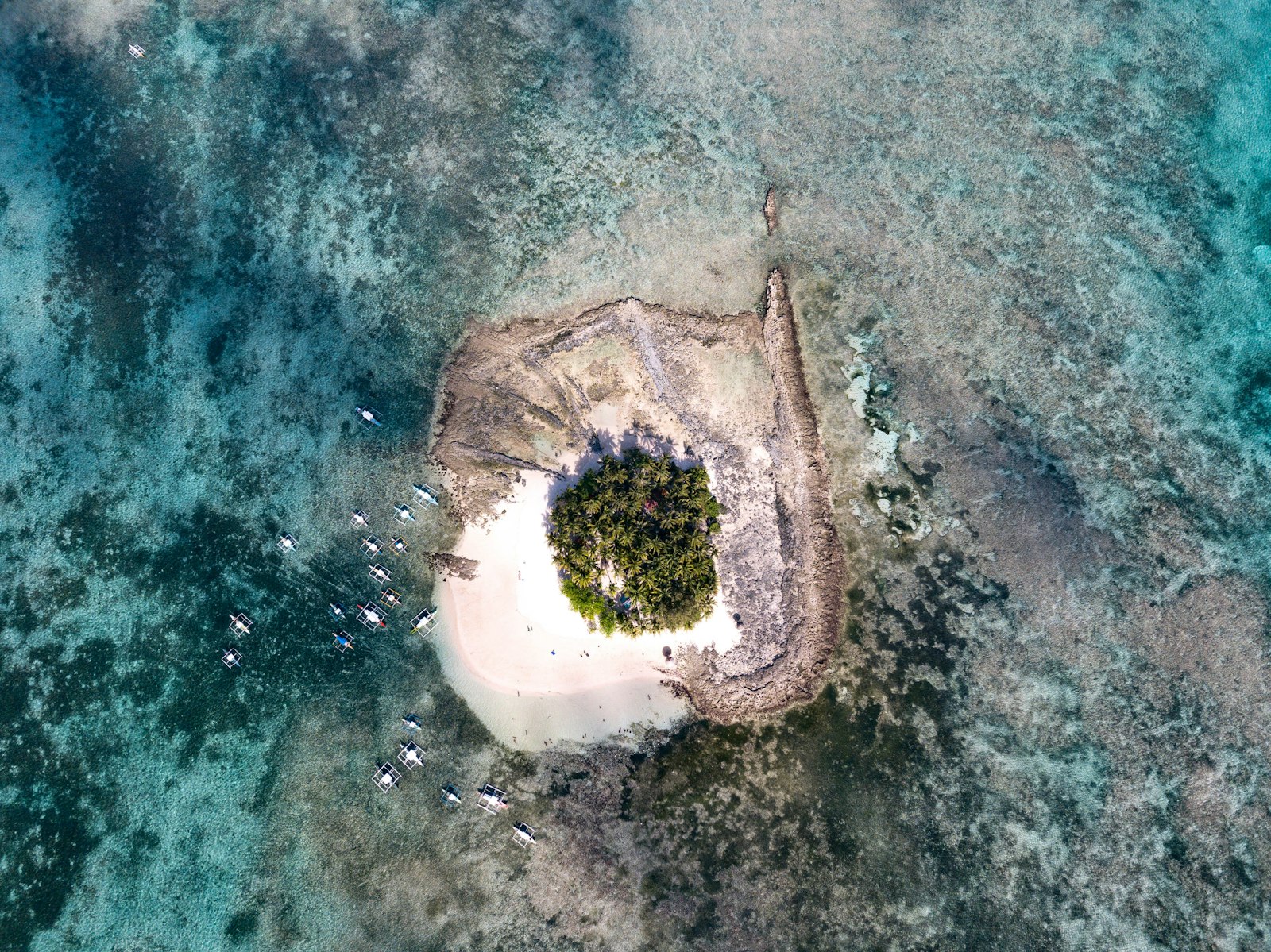
Visiting Derawan with kids suits families who enjoy simple island life, gentle snorkeling and easy wildlife encounters more than theme-park style resorts. Think turtles off the jetty, calm bays and boat days, not kids’ clubs and shopping streets.
Is Derawan family-friendly?
Derawan can be a good option for a certain kind of derawan family trip: outdoorsy, water‑confident children, parents happy with a remote island, and everyone comfortable with basic infrastructure. If you need malls, international hospitals, lifeguarded pools and big kids’ clubs, this part of the Derawan archipelago will feel too sparse.
Below is a quick reality check.
- Overall vibe
- Simple fishing village life, small-scale resorts, sand, sea and turtles. Very little formal “entertainment”.
- Travel time
- Typically 1 domestic flight to Berau (or Tarakan), then 2–3 hours of land + boat transfers. Connections can be long.
- Best ages
- Often easiest from 6–7 years up, especially for boat days and snorkeling. Confident younger swimmers can enjoy it with closer supervision.
- Medical facilities
- Very limited on the islands; basic clinics in Berau / Tanjung Redeb. Serious issues usually need evacuation to Balikpapan or beyond.
- Type of activities
- Beach play, snorkeling, sea turtles, jellyfish lake at Kakaban, manta spotting around Sangalaki (never guaranteed).
- Budget range
- Family-friendly rooms across Derawan–Maratua typically run from simple homestays to higher-comfort resorts (ranges vary; last verified June 2026). Getting there is often a similar overall budget to more famous Indonesian islands.
So is Derawan good for families? For many, yes — if you actively want nature, quiet and saltwater‑tired children, and you’re fine trading away convenience and big-city backup.
If you’re unsure which island suits your family’s temperament, you can plan your trip with us or WhatsApp +62 811 3823 875 for a frank, by‑quote suggestion based on ages and swim confidence.
Kid-friendly highlights: turtles, jellyfish and gentle snorkeling
The main reasons families consider Derawan with children snorkeling are the easy wildlife encounters and usually calm, clear water.
1. Turtles off Derawan village
Derawan Island itself is often the easiest base with kids, and turtles are the headline act here.
- High chance of sightings: Green turtles are common around Derawan. You can often see them from jetties or the beach, especially early morning and late afternoon. No operator can guarantee encounters, but probability is genuinely good by Indonesian standards.
- Shore snorkeling: Off parts of the village and resort jetties, you can slip into fairly shallow water and, with care, watch turtles graze and come up to breathe. For slightly older kids, this can be the entire holiday highlight without many long boat rides.
- Learning opportunities: Some local guides are good at explaining how to keep distance, avoid touching or blocking turtles, and why turtle eggs are protected in parts of the archipelago. This can be your child’s informal marine biology lesson.
How child-friendly is turtle snorkeling?
It depends less on age and more on:
- Swimming ability: Children should be able to float calmly and breathe through a snorkel, or be confident using a life jacket with a parent holding onto a buoy or ring.
- Comfort with masks: Practice at a pool or shallow beach before the trip; foggy or leaky masks can turn magic into meltdown quickly.
- Wave sensitivity: While many spots are sheltered, choppy days happen. Sensitive kids often do better with morning sessions when wind is usually lighter.
2. Kakaban’s sting-less jellyfish lake
Kakaban is one of the most family-friendly Derawan islands for a single day out, thanks to its famous inland lake of non‑stinging jellyfish.
- Why it works with children: Floating among gentle, sting-less jellyfish in calm lake water feels more like a surreal pool than open sea. For many kids, it’s less intimidating than snorkeling on a reef drop‑off.
- Access: You land by boat, then walk across the island on a boardwalk and stairs to the lake. Parents will need to carry or closely help younger children, as some steps can be uneven or slippery.
- Rules matter: Life jackets are usually mandatory; fins are often restricted or banned in the lake to protect jellyfish. Guides will brief you — worth reinforcing with children so they understand why they need to keep hands gentle.
Expect simple wooden platforms and basic changing areas at best. There is no lifeguard; supervision is entirely on adults.
3. Reef snorkeling and mantas around Sangalaki
Sangalaki and the surrounding reefs can be wonderful if your family enjoys full boat days:
- Manta rays: This area is known as a manta hotspot, but sightings are never guaranteed and can be seasonal. Think of mantas as a bonus, not a promise.
- Reef sites: Many boats pair possible manta stops with calm, shallow reefs for coral and fish. These often suit confident child snorkelers well on good‑weather days.
- Turtle nesting (from a distance): Some evenings involve quiet visits to watch turtle nesting activity with licensed guides, always from a respectful distance and under strict rules. Younger children may find the late hours and need for silence challenging.
For families, the key consideration here is stamina: a full day on a small boat with sun, salt and intermittent shade suits some kids and exhausts others.
4. Simple island life: beaches, bikes and boats
Beyond the wildlife, family-friendly Derawan islands still offer plenty of analog fun:
- Sand and shallows: Parts of Derawan and Maratua have gentle entry beaches where smaller children can paddle and dig for hours. Check local tides; some access points get rocky at low tide.
- Bikes: On Derawan village streets, older kids may enjoy cycling loops, waving at locals and stopping for ice cream or snacks. Traffic is limited but not non‑existent, so helmets and caution help.
- Boat rides as an event: For many children, simply riding between islands, spotting flying fish or dolphins, and sitting up front becomes a highlight in itself.
Nightlife is minimal; expect early nights, card games and stargazing more than bars or shows.
Choosing stays for families
Maratua Resort does not operate accommodation; we act as an editorial guide and pass serious enquiries to a single vetted local partner who can quote you across multiple options. No one can pay to change what we publish; if you proceed with our partner they may pay us a referral fee at no extra cost to you.
Here’s how to think about islands and property styles for a derawan family trip.
Island comparison for families
| Island | Best for families who… | Pros with kids | Challenges |
|---|---|---|---|
| Derawan | Want easy access, village atmosphere, turtles off jetties. | Shorter boat from Berau; shops and snacks; frequent turtles; some beach entry points. | More boat traffic; some areas have less‑than‑pristine water quality; limited larger family rooms. |
| Maratua | Prefer a quieter island feel with more “resort” layouts. | Typically quieter; some resorts with overwater bungalows and better house reefs. | Longer transfers; more dependent on in‑house restaurant and facilities; fewer walk‑out dining options. |
| Kakaban | Are happy to visit on a day trip only. | Jellyfish lake experience; combined with nearby reef snorkeling. | No mainstream overnight stays; access only by boat, subject to weather and sea conditions. |
| Sangalaki | See it as an excursion, not a base. | Potential mantas; turtle focus; natural feel. | Remote; limited or no standard tourist infrastructure; better as part of guided day trips. |
Room types and what to ask for
Every property is different, but these points tend to matter with kids:
- Bed configuration: Ask clearly about extra beds, maximum occupancy and age limits per room. Some cabins designed for divers are tight once you add a third or fourth person.
- Inter‑connecting options: If you prefer separate rooms for older children, ask if any units share a private veranda or internal door, rather than being scattered along a jetty.
- Ground vs overwater: Overwater bungalows feel special but add fall risk for toddlers and sleep‑walking children. Families with very young kids often sleep better in land‑based rooms.
- Noise profile: On village islands like Derawan, some rooms sit over or near the water where local boats and mosque calls carry. Light‑sleeping children may do better slightly set back.
If you’d like short‑listed options by island and age group, you can plan your trip through our form or WhatsApp +62 811 3823 875; we’ll outline pros/cons of a few properties we consider family‑suitable.
Food, picky eaters and allergies
Most stays in the Derawan–Maratua area offer simple Indonesian dishes with some international basics.
- Typical staples: Rice, noodles, fried chicken or fish, omelettes, simple vegetables, fresh fruit. Great for many kids, repetitive for some after a week.
- Snacks: In Derawan village you can buy packaged snacks, biscuits and ice cream. The more remote you go, the more limited the selection.
- Allergies: Serious allergies (e.g. nut, shellfish, coeliac) require extra caution; kitchen training and labeling may not match big‑city standards. Bringing translation cards and safe back‑up snacks is wise.
- Water: Stick to filtered or bottled water. Many properties provide refill stations; remind children not to drink from taps.
Kid-appropriate add-ons
Ask any operator you’re routed to via us about:
- Life jackets in child sizes for all boat trips.
- Snorkel gear rentals sized for kids, or consider bringing masks they’ve already practised with.
- Flexible meal times for earlier dinners or simpler plates for young children.
- Shorter, private excursions rather than long, multi‑stop days with groups of dedicated divers.
Managing transfers with children
The most tiring part of visiting Derawan with kids is usually the journey, not the islands themselves.
Typical routes into the archipelago
Most families arrive via:
- Berau (Kalimaru Airport): Common for access to Derawan and Maratua. From here, expect a car or minibus (often 2+ hours) to a coastal jetty, then a speedboat (commonly 1–2 hours depending on sea conditions and island).
- Tarakan: Another gateway, sometimes used for certain boat routes. Transfer times and patterns differ; it can be attractive if flights align better for your origin city.
Schedules, operators and exact durations change; our role is to explain the options and pass your details to a partner who can quote a door‑to‑door plan for your dates.
Timing the journey with kids in mind
To keep everyone sane:
- Consider an overnight stop: Breaking the trip in Balikpapan or Berau on the way in or out can turn a long haul into two manageable days, giving kids recovery time.
- Avoid tight connections: Domestic schedules can shift. A too‑tight link between flight arrival and boat departure is stressful with children if delays or baggage issues occur.
- Pack a “boat bag”: Snacks, water, small towel, lightweight long‑sleeve for sun, hat, motion sickness medication (pre‑approved by your doctor), and a plastic bag “just in case.”
- Prepare for heat and waiting: Some jetties and small harbours have minimal shade and seating. Sun protection and patience help.
Sea conditions and motion sickness
Sea states vary by season and daily weather. We cannot guarantee calm water, but there are patterns:
- Earlier in the day often means lighter winds and smaller chop.
- Shoulder seasons can bring more unpredictable squalls.
If anyone in the family is prone to motion sickness, speak with your doctor before the trip and carry appropriate medication. On the day:
- Seat sensitive passengers near the rear/middle of the boat.
- Encourage looking at the horizon, not phone screens.
- Avoid heavy, greasy food right before departure.
Safety and what to skip with kids
The Derawan region is not dangerous in any unusual way for Indonesia, but it is remote with low redundancy. A few extra precautions matter more with children.
Health, insurance and medical backup
- Travel insurance: Choose a policy that clearly covers medical evacuation, including from remote islands and for water activities such as snorkeling or diving for older teens.
- First‑aid kit: Pack children’s formulations of pain relief, antihistamines, ORS (rehydration salts), antiseptic, plasters, and any prescription medications — in more quantity than you think you’ll need.
- Sun and heat: The equatorial sun is intense. Rash vests, wide‑brim hats, reef‑safe sunscreen, and planned shade breaks are essential; mild heat exhaustion is by far the most common “incident” we hear about with families.
- Minor injuries: Wood jetties and coral rubble mean splinters and scrapes happen. Closed sandals or reef shoes can help on hot, rough surfaces.
Water safety and supervision
There are rarely lifeguards in the Derawan archipelago; adults must actively supervise.
- Life jackets: Use them on boats and for less confident swimmers even in calm, shallow water.
- Buddy system: Make sure no child is ever in the water without an adult who is focused on them, not also trying to take photos or guide a group.
- Currents: Many snorkel sites are gentle, but tidal currents can be strong in channels and along walls. Always follow your guide’s briefing, and do not pressure children into sites beyond their comfort level.
- Boat traffic: Around Derawan village and some jetties boat traffic can be frequent. Snorkel away from main channels, stay close to guides, and ensure surface markers are used where appropriate.
For a deeper overview of local sea conditions and turtle etiquette, you may also want to read our turtles and snorkeling guide (linked from our main snorkeling pillar page).
What to skip or approach cautiously with children
For many families, skipping certain “advanced” experiences makes the whole trip calmer:
- Deep or drift dives for teens: Even if older teens are certified, strong currents and deep walls are better left to very experienced divers. Focus on gentle reef dives and let high‑adrenaline sites wait for another trip.
- Very late‑night turtle walks with young kids: These can involve long, quiet waiting and strict darkness rules. For under‑8s, stories and photos may provide a better learning experience than being dragged along while overtired.
- Multiple long boat days back‑to‑back: Build in quiet beach or village days between excursions so children can reset.
- Unsupervised jetty play: Wood gaps, no railings, variable maintenance and boat wakes make many jetties poor places for kids to “just run around.” Treat them like roads, not playgrounds.
Environmental respect with children
Derawan’s appeal depends on the health of its reefs and wildlife. Many conservation lessons are easier with kids than adults:
- Practice “no touch, no take”: no souvenir corals, shells or starfish handling, even if “everyone else is doing it.”
- Teach children to float horizontally and keep fins off the coral.
- Use reef‑safe sunscreen and consider long‑sleeve rash guards to reduce chemical load.
- Collect a small bag of rubbish during each beach play; it becomes a tangible discussion about ocean plastics.
Is Derawan right for your family?
Derawan with kids is not a classic resort holiday. It suits families who:
- Value easy, wild encounters with turtles and jellyfish over polished facilities.
- Are comfortable with 2–3 legs of travel, small boats and variable schedules.
- Can manage with limited medical backup and accept that if something serious happens, evacuation takes time.
- Prefer screen‑light days filled with saltwater, naps and simple food.
If that sounds close to your ideal, the Derawan archipelago can be deeply rewarding for children and adults alike.
If you’d like an honest sense of which island and style of stay matches your family, you can plan your trip or WhatsApp +62 811 3823 875. Tell us your children’s ages, swimming confidence and rough dates; we’ll outline a realistic, family‑minded plan and route your enquiry to our trusted local partner for actual pricing and availability.
FAQs on visiting Derawan with kids
What is the best age for kids to visit Derawan?
Many families find ages 6–12 a sweet spot: children are usually strong enough swimmers for gentle snorkeling, old enough to follow safety instructions and still excited by simple wildlife encounters. Younger children can enjoy Derawan too, but you’ll spend more energy on supervision around water, boats and overwater structures.
Can kids learn to dive in Derawan?
Some operators in the wider region offer junior scuba courses, but availability, standards and conditions vary. For most families, Derawan is better approached as a snorkeling and nature destination; learning to dive is often more comfortable in places with easier medical access, dedicated training pools and more formal dive schools. Speak with any operator you’re referred to about their specific experience teaching children and always prioritise conservative depths and calm sites.
Is Derawan safe for toddlers?
Derawan is not inherently unsafe for toddlers, but it requires very close supervision. Overwater jetties without railings, boats without enclosed cabins, and variable footing can be challenging. If travelling with very young children, land‑based rooms, short boat rides, and plenty of indoor shade time usually make things easier. Pack familiar foods and a compact stroller or carrier that can handle uneven paths.
How long should a family stay in Derawan?
Allow at least 4–5 nights on the islands once you arrive, especially if you’re combining Derawan, Kakaban and Sangalaki. That gives time for one or two boat days, unhurried turtle and jellyfish encounters, plus rest days. If you’re crossing multiple time zones or adding other Indonesian stops, a week in the archipelago can work well.
Do we need to book everything in advance for school holidays?
For peak Indonesian and regional school breaks, advance planning is strongly recommended. Boat transfers, family rooms and child‑sized gear are all finite. Booking early via a coordinated plan helps avoid awkward gaps where flights are available but boats or rooms are not. You can start that process with us via the plan your trip page or by messaging WhatsApp +62 811 3823 875 for a by‑quote outline.