How to read this: Maratua Resort is an independent concierge guide — we curate and compare dive resorts and island stays in the Derawan archipelago, then arrange your booking through a vetted operating partner. We do not own or operate the resorts, and resort or brand names are used only as neutral examples, not claims of affiliation. Prices are by quote and vary by resort, season and party; figures here are indicative. Flights, transfers and dive seasons change — confirm before you travel. This is general information, not a binding offer.
Derawan diving for beginners is entirely possible, as long as you choose the right island, sites, and guides. The Derawan archipelago has calm house reefs ideal for first fins on a line, alongside current‑swept channels around Maratua that are better left until you have a few dozen dives and solid drift skills.
Can beginners dive Derawan?
Derawan is not a single island but a spread‑out archipelago off East Kalimantan: Derawan Island itself, Maratua, Kakaban, Sangalaki and a handful of smaller sand cays and reefs. As a dive destination, it offers two very different experiences for new divers:
- Gentle, shallow reefs and piers with mild conditions suited to newer divers
- Deep walls and high‑energy channels where current, depth and downwellings demand experience
So yes, beginners can dive Derawan — but not every “signature” site is beginner‑friendly, and not every operator will automatically match dives to your level.
At Maratua Resort our role is editorial and advisory. We are not the operator; we curate information across the archipelago and route serious enquiries to one vetted dive partner. That independence lets us stay honest about:
- Which areas work well for your first time diving Derawan
- Which famous Maratua dives you should treat as long‑term goals, not day‑one plans
- How your certification and recent experience really affect what you’ll enjoy and handle safely
Reality check: derawan diving difficulty
Across the archipelago, difficulty varies more by site than by island label. A simplified breakdown:
- Derawan Island
- Generally the easiest entry point: jetty and house‑reef dives, modest current, many dives in the 5–18 m range.
- Maratua walls
- Rising difficulty: vertical walls 10–30 m+ with variable current, often drift dives requiring good buoyancy.
- Maratua channels (e.g. “big fish” passes)
- Advanced: strong tidal current, sometimes down or upwellings, negative entries, and time spent around 20–30 m.
- Kakaban (reef sides)
- Intermediate: outer reef can run moderate current and swell; depth and blue‑water feeling can challenge new divers.
- Kakaban lake (non‑scuba)
- Snorkel only: calm, shallow and excellent for absolute beginners to get comfortable in the water.
- Sangalaki
- Variable: often manageable for newer divers on manta cleaning stations and reefs, but occasionally affected by swell and current.
Gentle sites to start: beginner dive sites in Derawan
For derawan diving for beginners, the best strategy is to base yourself where you can log a handful of relaxed dives first. In practice, that means:
Derawan Island: classic first‑timer base
Derawan Island itself is generally the softest introduction to the region:
-
House‑reef and jetty dives
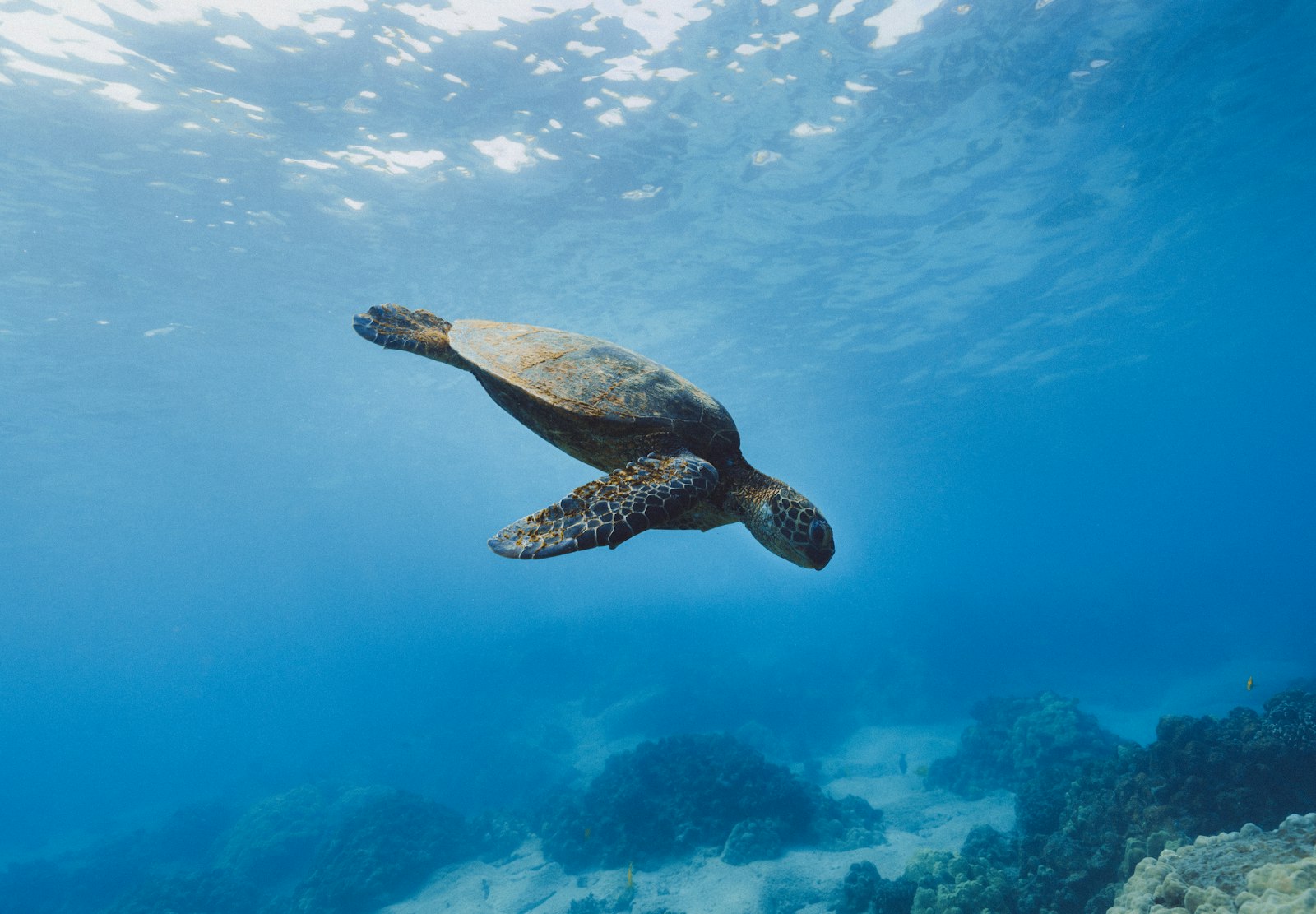
The fringing reef slopes gradually from a few metres down to 15–18 m. You can stay shallow, practice equalisation and buoyancy, and still see turtles, schooling fish and macro life along the pier and rubble. -
Mild current windows
As with any equatorial reef, current is tide‑dependent, but by choosing slack or neap tide, dives here can feel almost lagoon‑like. -
Shore‑based logistics
Entry and exit off jetties or small boats is less intimidating than stepping off a larger dive boat for your first plunge.
Derawan’s easier sites make sense if:
- You have just finished Open Water or only have 5–10 logged dives
- It’s been more than a year since your last dive and you feel rusty
- You want to split your trip: a few easy days first, then a progression to Maratua once you feel sharper
House reefs around Maratua
While Maratua is famous for its walls and channels, some resorts sit on calm lagoon‑side reefs. These can be forgiving:
- Typically shallower (5–15 m) tops with sandy patches for skills checks
- Inside the atoll, so somewhat shielded from ocean swell
- Night dives here can be mellow and incredibly productive: crustaceans, cuttlefish, hunting octopus
However, even these “gentle” house reefs can still pick up current on big tidal exchanges. Expect your guide to:
- Limit you to the calmest sections if you’re clearly a beginner
- Call the dive if current spikes beyond what matches your comfort level
Protected snorkelling as a warm‑up
If your true level is “I haven’t been in the sea much”, jumping straight to a full dive schedule may be too much stimulus at once. A smart progression could be:
- Day 1–2: Guided snorkelling over a shallow reef (Derawan jetty, protected bays around Maratua, Kakaban lake).
- Day 2–3: Confined‑water or refresher skills session in a calm, shallow area.
- Day 3+: Graduating to proper open‑water dives.
That ramp‑up does more for confidence than any amount of pre‑trip reading.
If you’d like help mapping this progression onto a real‑world itinerary, you can plan your trip with us and continue the conversation by WhatsApp on +62 811 3823 875. We match you to our vetted on‑site partner and sense‑check that their usual dive programme fits your level.
Where current raises the bar: Maratua’s channels and walls
Maratua’s reputation is built on its outer walls and channels — the places where currents compress life and attract larger pelagics. Those same currents are what make many of these dives unsuitable as your very first ocean experience.
What makes a Maratua channel “advanced”
Specific site names vary by operator and are not important here. What matters are the conditions, which often involve:
-
Strong, sustained current
These are true tidal passes: water flushing in and out of the atoll. You can experience conveyor‑belt drift, rapid acceleration around corners and occasional turbulence. -
Negative entries
On some dives, you need to deflate and descend quickly as a group to avoid being swept off the site. This is not a skill to attempt on your first dive after certification. -
Depth and gas management
Action often happens around 20–30 m: schooling barracuda, sharks, large rays. That demands control over buoyancy, air consumption and no‑decompression limits. -
Downcurrents and upwellings
On certain walls and corners, water can push you down or up unexpectedly. The right response is calm, controlled swimming at an angle — something best practised once you’re fully relaxed underwater.
These features do not mean the dives are “dangerous by default”, but they do mean that Maratua channels are not beginner dive sites.
Maratua walls: intermediate, not entry‑level
Between the easy inner reefs and the full‑on channels sit Maratua’s walls. These can be accessible to newer divers with:
- At least 15–20 dives logged
- Reasonable comfort in blue water (no sand bottom in sight)
- A guide ratio adjusted for experience, not packed boats
On calmer days, wall dives become:
- Classic drifts with current in the “swim, don’t sprint” range
- Opportunities to practise staying slightly above the guide and reef, maintaining depth, and watching your gas while distracted by turtles and big schools
But for brand‑new divers, the combination of depth, blue‑water ambience and the psychological effect of a sheer drop can be overwhelming. It’s an experience to work up to, not rush into on day one “for fear of missing out”.
Building up to the big dives: a realistic progression
Derawan rewards divers who treat it as a multi‑trip, progressive destination. You do not need to “tick off” every famous channel on your first visit to have a meaningful experience.
Here’s a sample progression many divers follow across one or more trips:
Phase 1: First time diving Derawan (0–20 dives)
Focus on:
-
Derawan Island house reef and jetties
Shallow reef life, turtles, basic drift skills at low current. -
Protected Maratua house reefs (if conditions allow)
Staying in the 5–15 m band, working on trim, buoyancy and equal comfort with mask clearing and ascents. -
Snorkelling in Kakaban lake
Not a scuba dive, but a memorable way to get utterly relaxed in the water.
Goals for this phase:
- Dial in weight and trim
- Learn to monitor your own gas and no‑deco time without constant prodding
- Gain basic confidence in mild current — going with the flow rather than fighting it
Phase 2: Growing skills (20–50 dives)
Once you are comfortable with standard procedures and a few minor issues (mask strap loosening, minor free‑flow, etc.), your options open:
-
Intermediate wall drifts around Maratua
Under the supervision of a guide who knows your profile, and always with clear briefings about exit strategies and depth limits. -
Outer reefs off Sangalaki and Kakaban (conditions permitting)
These can provide richer fish life and, with luck, mantas, while still being manageable for a practiced but not yet “advanced” diver.
This is a good time to:
- Consider an Advanced Open Water or equivalent course in‑destination, particularly the Deep and Drift modules
- Practise deploying an SMB (surface marker buoy) under supervision
- Get used to boat procedures and navigation in less reference‑rich environments
Phase 3: Ready for channels (50+ dives and recent practice)
Maratua’s more demanding channels make sense only when:
- You have real‑world drift experience (not just one or two “calm” drifts)
- You have dived to 30 m before and understand how gas consumption changes
- You’re mentally calm with mid‑water hangs and can respond thoughtfully to surprises
Even then, your first visit to a big channel should be:
- On a conservative profile: stay shallower and slightly off the main flow line
- With a clear exit plan: where the group will come up if you’re pushed off the reef or current changes
- Within your personal limits: declining a second, more intense pass is fine; it’s a holiday, not a test
Derawan’s big‑fish sites are more enjoyable — and safer — when you arrive over‑prepared, not on the edge of your capabilities.
Training and guiding: making Derawan work for you
The safest, most satisfying derawan diving for beginners relies less on the map and more on how you pair training and guiding with those sites.
Certification level: how much does it matter?
Formal certification is a rough proxy for what you’ve been trained to handle, but it doesn’t always match reality. Some practical guidelines:
| Certification / Experience | Recommended scope in Derawan |
|---|---|
| Discover Scuba / Intro dive (no cert) | One‑to‑one or very small‑group dives in calm, shallow areas (Derawan jetty, protected house reefs); depth <12 m. |
| Open Water, <10 dives | Gentle house reefs and easy boat dives; avoid walls >18 m and skip channels; consider a refresher if last dive was >12 months ago. |
| Open Water, 10–30 dives | Most Derawan Island sites, many Maratua house reefs and selected walls in easy conditions; still no serious channels. |
| Advanced Open Water, 20–50 dives | Wider set of Maratua walls, Sangalaki and Kakaban outer reefs in moderate current; possibly the tamest channel passes if conditions and guide agree. |
| Advanced + recent drift experience, 50+ dives | Full menu including more demanding Maratua channels, subject to daily conditions and operator assessment. |
These are deliberately conservative bands. Operators on the ground make final calls based on:
- Local conditions that day
- Your recent dive history
- How you present in the water on earlier, easier dives
Guides and group sizes
As an independent editorial guide, we do not name specific instructors or boats. However, we can outline what to look for (and what we look for in our vetted partner):
-
Pre‑trip honesty
Operators willing to say “that site isn’t right for your level yet” signal the right priorities. -
In‑water ratios
Smaller beginner groups — ideally 4:1 or better — allow the guide to pay attention to buoyancy, air, and overall comfort. -
Briefing depth
Good briefings in Derawan cover current direction, expected maximum depth, what to do if separated, and how to use reef hooks properly (if applicable). -
Flexibility
The best responses to mixed‑ability groups are split dives: one group to the wall corner, another on the gentler shoulder.
If you’d like us to sense‑check an outline sent by a prospective operator, we’re happy to take a look and match you instead with our trusted partner via plan your trip or direct WhatsApp (+62 811 3823 875).
Refreshers and courses on site
If your logbook is thin or dusty:
- Refresher dives are strongly recommended if you have not dived in 12–18 months
- Advanced or specialty courses (especially Deep and Drift) multiply your options across the archipelago
Course and dive‑package pricing in Derawan sits roughly in the same band as many Indonesian island destinations. As of last verified June 2026, you can expect:
- Fun dives in small‑group boat packages to run in the low‑ to mid‑double‑digit USD equivalent per dive depending on volume, inclusion of gear and island
- Full entry‑level or Advanced courses to typically land in the several‑hundred USD equivalent range
Exact figures vary by island, season, group size and gear rental. We avoid quoting fixed numbers because operators update regularly; on enquiry, we help you price‑check current offers and structure a package via our partner. No one can pay to change what we publish; if you proceed with our partner they may pay us a referral fee at no extra cost to you.
How to plan your first Derawan dive trip sensibly
For derawan diving for beginners, planning is less about squeezing in as many tanks as possible and more about sequencing them wisely.
Choose your base with your level in mind
A simple decision framework:
- Very new or nervous divers
- Base initially on Derawan Island or on the calmer side of Maratua with a house reef
-
Schedule extra time for snorkelling and unhurried surface intervals
-
Comfortable beginners / early intermediates (10–30 dives)
- A split stay: Derawan + Maratua works well
- Start with easier Derawan sites, then move to Maratua walls and selected reefs
- Keep a flexible attitude to “maybe” channel dives, expecting to say no if it feels off
Season and conditions
Derawan is dived year‑round, but conditions shift with monsoons, wind and tide cycles:
- Expect stronger currents around new and full moons, which can affect channel suitability for beginners.
- Visibility and surface chop can vary; neither automatically makes a dive “hard”, but they do add to the sensory load for newer divers.
Because weather, current and visibility cannot be guaranteed, the safest approach is to build in slack days and accept that some marquee sites may not be appropriate on your specific week — especially if you’re new.
Conservation and behaviour
New divers learning in a rich reef system have extra responsibility. Derawan is home to:
- Turtle nesting beaches
- Manta feeding grounds
- Healthy coral gardens in patches, but also areas recovering from past impacts
As you plan your first time diving Derawan:
- Aim for truly neutral buoyancy before hovering over fragile coral heads
- Keep hands, fins and reef hooks off living coral
- Follow local briefings on turtle and manta etiquette: approach angle, no chasing, lights under control at night
Better habits early on make every subsequent trip — here and elsewhere — more rewarding.
Next steps
Derawan is a strong candidate for your first “proper” dive trip beyond simple resort‑based training: enough gentle sites to build skill, enough challenging ones in view to keep you inspired.
If you’d like help deciding where in the archipelago to base yourself, how many days to allocate to Derawan versus Maratua, and which sites to treat as future goals rather than immediate must‑dos, you can plan your trip with us. We’ll map your level and expectations to a realistic dive plan, coordinate with our vetted operating partner, and stay transparent about which sites are genuinely appropriate right now.
You can also message us on WhatsApp at +62 811 3823 875 for practical, no‑pressure planning support.
Is Derawan good for new divers?
Yes, Derawan can be very good for new divers if you focus on its calmer house reefs, jetties and protected sites. Derawan Island itself and some lagoon‑side Maratua reefs offer mild current, manageable depths and plenty of life, making them suitable for those with few logged dives. The trick is to avoid the more advanced Maratua channels and deeper walls until your skills and comfort have caught up.
Can I do my first ever dive in Derawan?
You can do a Discover Scuba or beginner course in Derawan, but it should be in a carefully chosen calm, shallow area with a strong focus on basic skills. Expect depth limits around 10–12 m and one‑to‑one or very small‑group guiding. Your first dives are better spent building comfort and competence than chasing the most famous sites.
How many dives do I need before trying Maratua’s channels?
A conservative benchmark is at least 50 logged dives, including recent drift experience and dives to around 30 m, before attempting the stronger channel sites. Even then, suitability depends on daily conditions and your guide’s assessment after seeing you on easier dives. Many divers enjoy Derawan for years without ever feeling the need to do the most intense channels.
Will I miss out if I skip the “big” Maratua sites as a beginner?
No. As a beginner, you will often enjoy and remember more from relaxed, colourful reefs where you can focus on skills, buoyancy and observing marine life without stress. Turtles, schooling fish, and rich macro life are all available on gentler sites. The marquee channels will be more rewarding if you treat them as a goal for a future, more experienced trip.
How do I choose the right dive operator in Derawan as a beginner?
Look for operators who ask detailed questions about your recent dives, suggest refresher sessions if needed, and are willing to say no to sites that exceed your current level. Small group sizes, thorough briefings and flexibility in site choice matter more than aggressive “we can take anyone anywhere” claims. If you’d like a second opinion, we can match you with a vetted partner through our plan your trip page or via WhatsApp at +62 811 3823 875.